



What is Fertilizer?
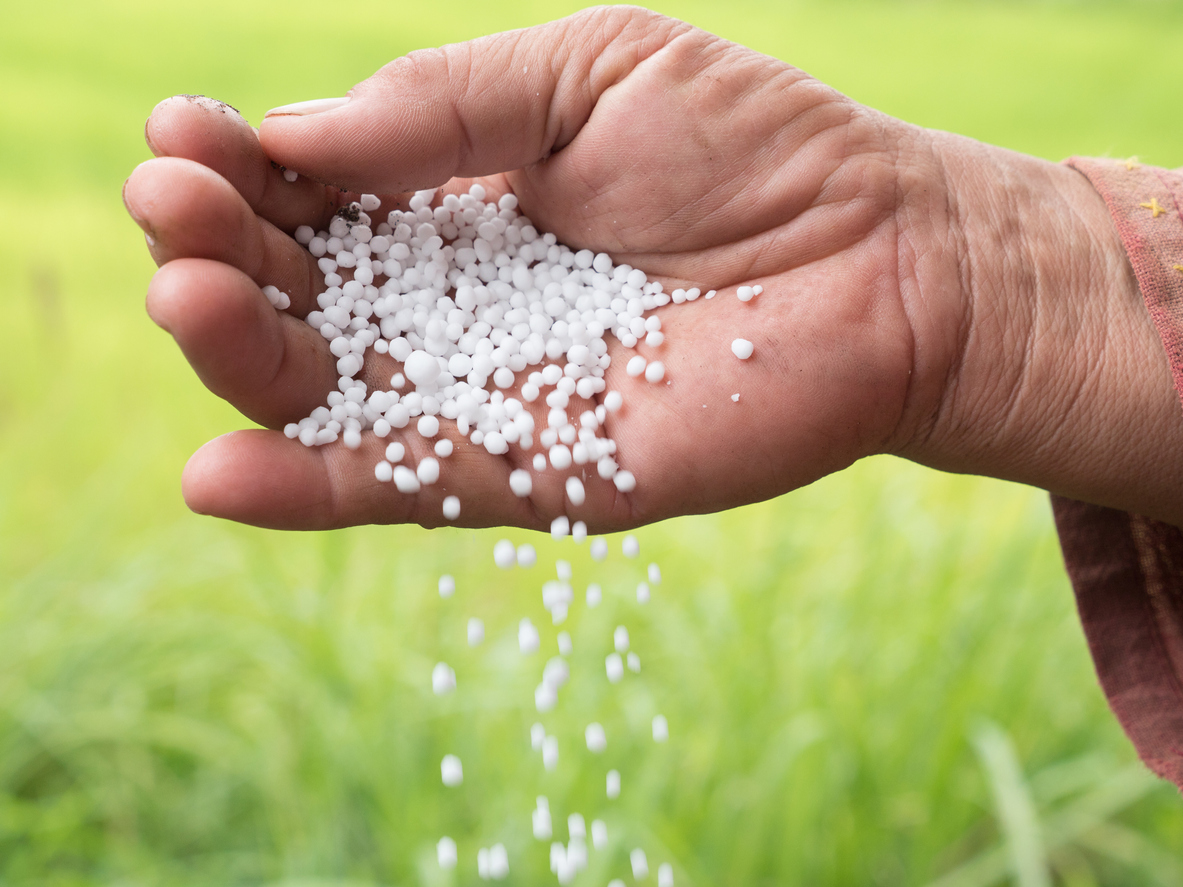
Fertilizers are food for plants. Fertilizer helps farmers feed our growing population.
Overview
Plants require 17 essential nutrients in the soil to survive and to grow. Fertilizers help replenish these nutrients after each harvest.
Nitrogen, phosphate, potassium and sulphur, are the four most important nutrients for high crop yields and sustainable food production.
How Fertilizers Work
Plants extract nutrients like nitrogen, phosphorus, potassium, and sulphur from the soil. If not replaced, these nutrients become depleted, affecting future crop growth. Fertilizers restore these nutrients and ensure plants get the balanced diet they need.
Fertilizers help to strengthen the plant, increase nutrition in crops, and help protect it from environmental stresses such as extreme weather.
Applying fertilizer requires care and precision. Ensuring fertilizer does its job means considering the type of fertilizer required for your soil and plant, the amount that provides your plant with what it needs, applying it when it is ready to take it up, and the method for applying it to the soil to be most effective. This approach is called 4R Nutrient Stewardship, a suite of best management practices that help growers optimize their fertilizer by applying the Right Rate, Right Time, and Right Place..

Macronutrients – NPKS
Nitrogen, Phosphate, Potassium and Sulphur are the four nutrients needed in the highest amount for high crop yields and sustainable food production:

Secondary Nutrients
Nutrients plants require but in lower quantities than NPKS.
Calcium (Ca) is essential for supporting cell structure, root health, and stress resistance. It can prevent issues like soft tissues, blossom-end rot, and tip burn. It improves soil structure, helping create loose, crumbly, well-drained soil.
Magnesium (Mg) is critical for photosynthesis, enzyme activation, and nutrient transport. It is the central atom in the chlorophyll molecule, which means no photosynthesis would happen without it. It helps move nutrients and sugars through the plant and is essential for grain filling, fruit development, and overall plant energy flow.

Micronutrients
Micronutrients are essential nutrients plants need in very small amounts. They are still crucial to the health, development, and productivity of a plant. Micronutrients include, Boron (B), Chloride (CI), Copper (Cu), Iron (Fe), Manganese (Mn), Molybdenum (Mo), Nickel (Ni) and Zinc (Zn). Although these nutrients are required is less quantities any deficiency can result in a serious decline in crop yields.

Product Innovation
While the essential nutrients remain constant, the fertilizer industry is innovating with advanced products that improve efficiency and sustainability. These include:
- Enhanced Efficiency Fertilizers (EEFs): products that reduce nutrient losses to the environment
- Biostimulants: substances that improve plant stress tolerance or nutrient uptake
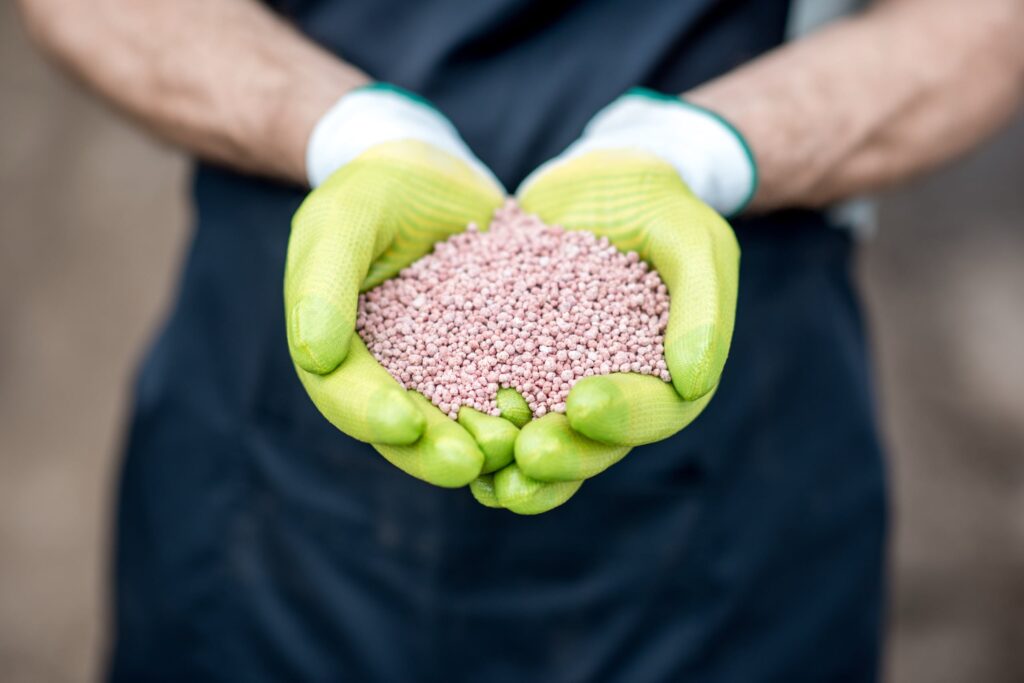
- Micro nutrient coatings: NPKS fertilizer granules coated in micronutrients so they can be applied as one product
Learn more about product innovations, such as enhanced efficiency fertilizers, fertilizer coatings, and biostimulants by clicking the button.