


How Fertilizer is Made
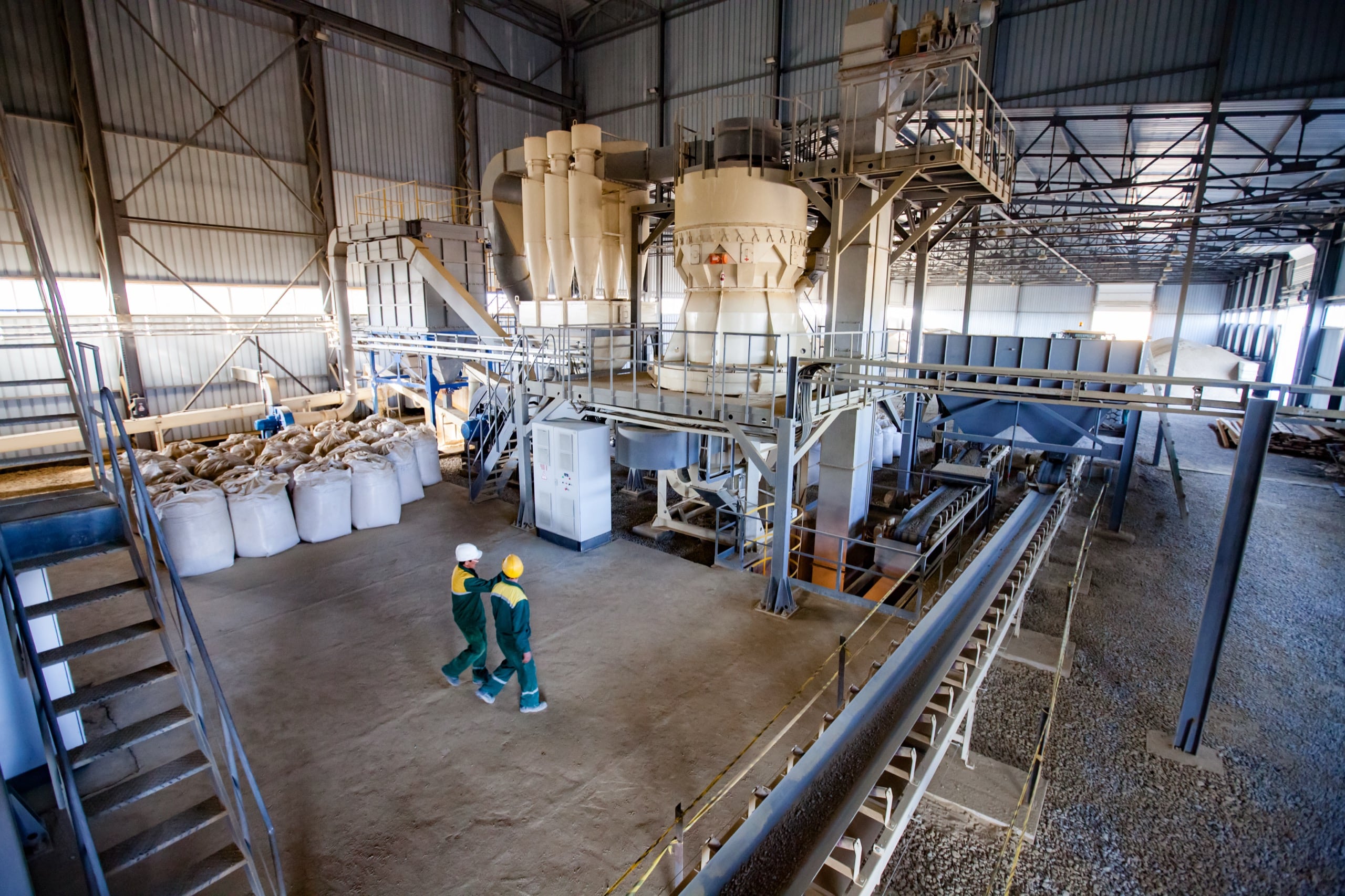
Fertilizers are produced using natural resources and critical minerals to supply essential nutrients that support plant growth.
Canadian Fertilizer Manufacturing and Production
Canada is one of the world’s leading fertilizer producers. It produces three of the four key nutrients used in fertilizers: nitrogen (N), potassium (K), and sulphur (S). Phosphate (P) is the only primary nutrient not currently produced in Canada.
Fertilizer production is concentrated in Western Canada. Virtually all potash production takes place in Saskatchewan, while nitrogen fertilizer is produced at facilities in Alberta, Saskatchewan, Manitoba, and Ontario.
Fertilizer plays a foundational role in food security by supporting crop yields and agricultural productivity. Domestic production and reliable supply chains are essential to ensuring farmers in Canada and around the world have consistent access to this critical input.
Nitrogen Manufacturing
Nitrogen fertilizer begins with nitrogen from the air and hydrogen, typically derived from natural gas. These elements are combined to produce ammonia through the Haber-Bosch process, a high-temperature, high-pressure reaction that forms the foundation of most nitrogen fertilizers.
Ammonia can be applied directly or upgraded into products such as urea and ammonium nitrate, which supply crops with the nitrogen needed for growth.
Canada’s ammonia is produced with an average of 30 per cent lower net GHG emissions intensity compared to global competitors.
Potash Production
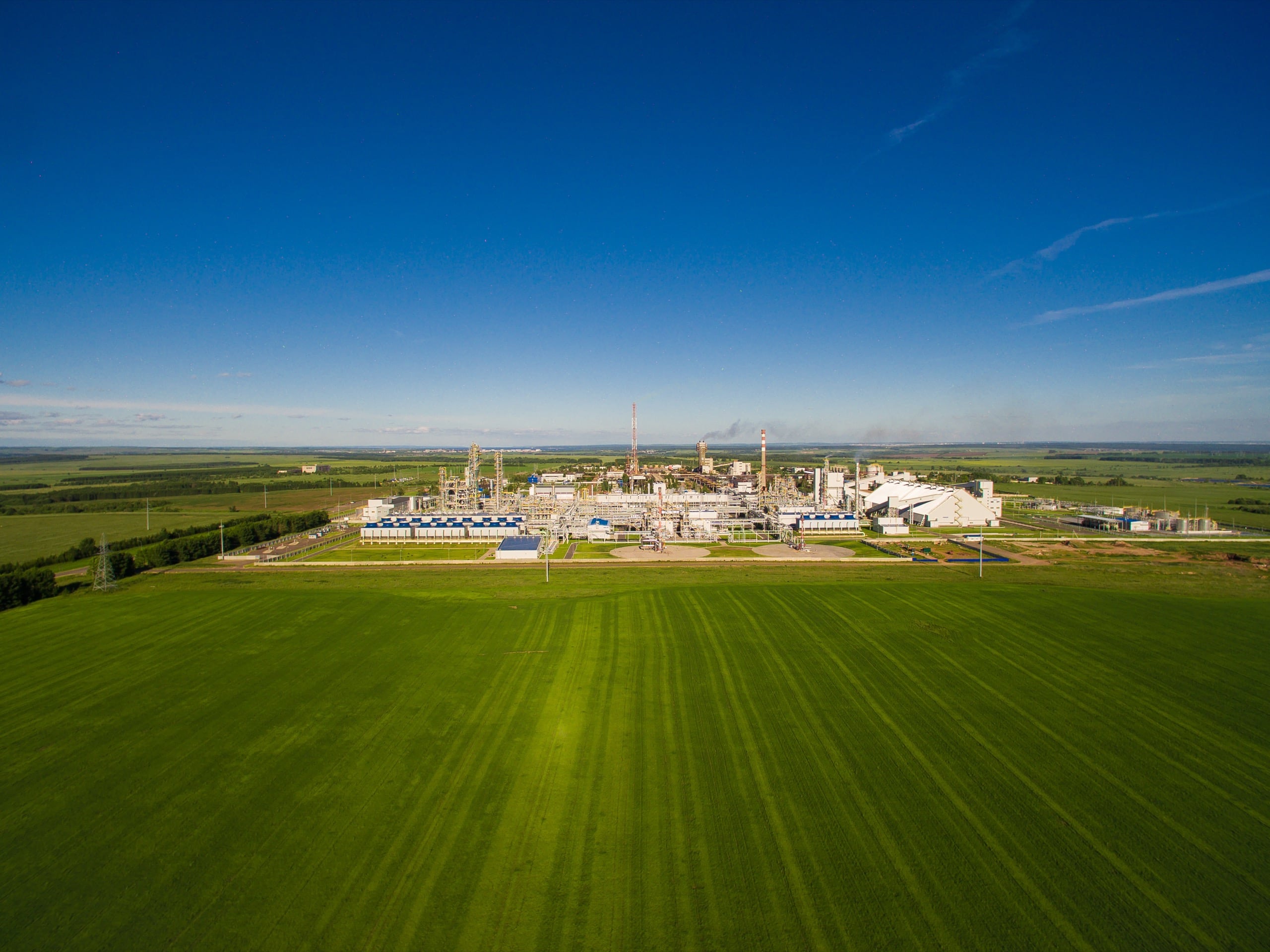
Potash is a naturally occurring mineral used to supply potassium, an essential nutrient for plant health.
In Canada, potash is extracted using two primary methods: conventional mining and solution mining.
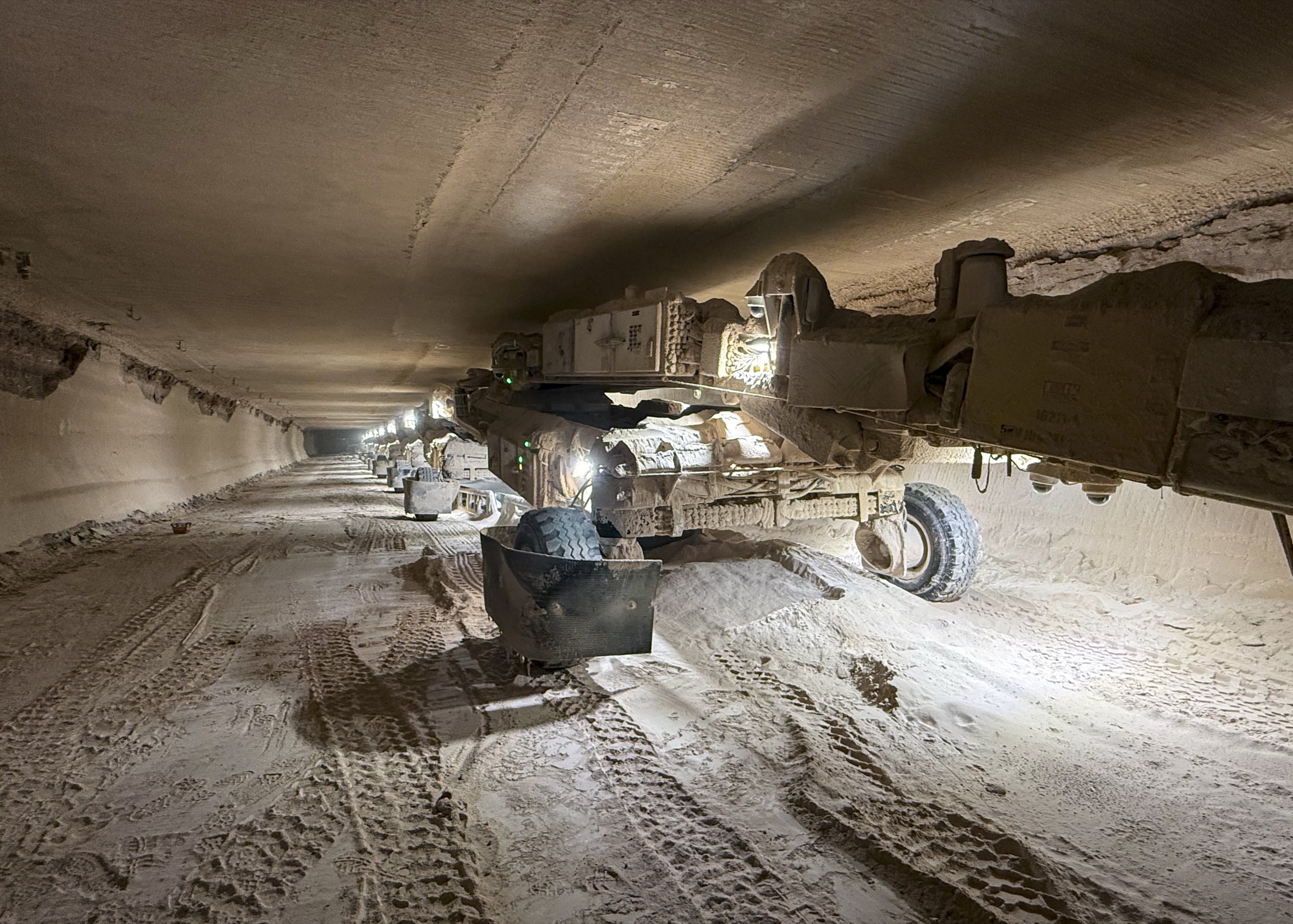
In conventional mining, potash ore is removed from underground deposits using mining equipment and brought to the surface for processing.
In solution mining, heated water or brine is injected into underground deposits to dissolve the potash. The resulting solution is then pumped to the surface, where the potash is recovered.
Canadian potash is produced with approximately 50 per cent lower GHG intensity than other parts of the world.
Phosphate Production
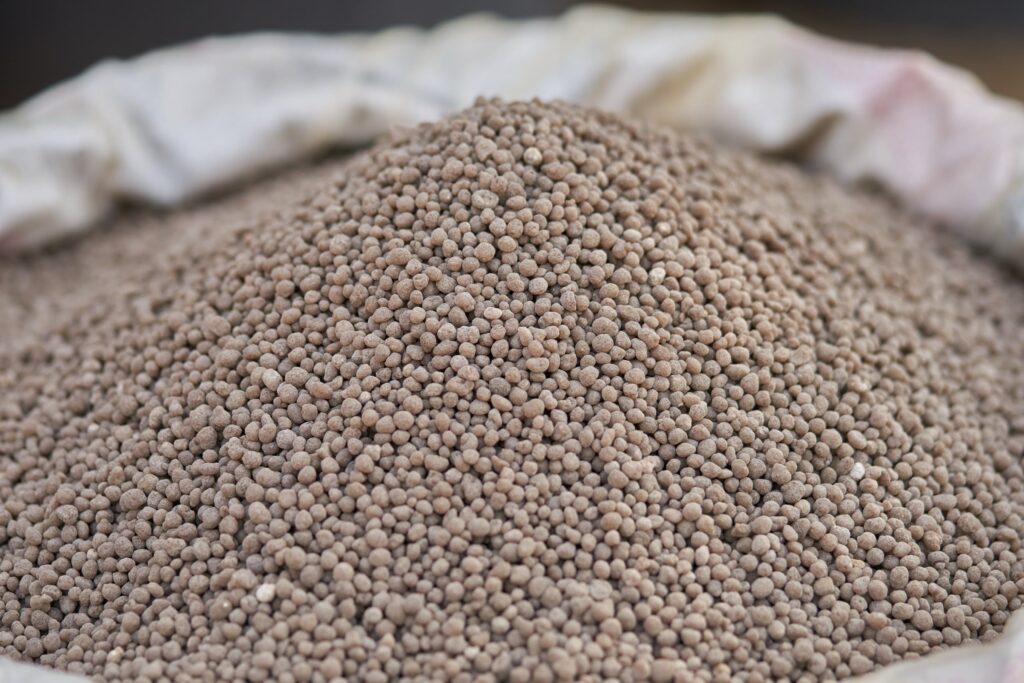
Phosphate is a naturally occurring mineral used to supply phosphorus. Unlike nitrogen and potash, Canada does not currently produce phosphate fertilizer. Instead, phosphate is sourced from global markets, where it is mined and processed into fertilizer products.
Phosphate production begins with mining phosphate rock, which is then processed into phosphoric acid. This process requires sulphur in the form of sulfuric acid, which is used to convert the rock into a form that plants can use.
Sulphur in Fertilizer Production
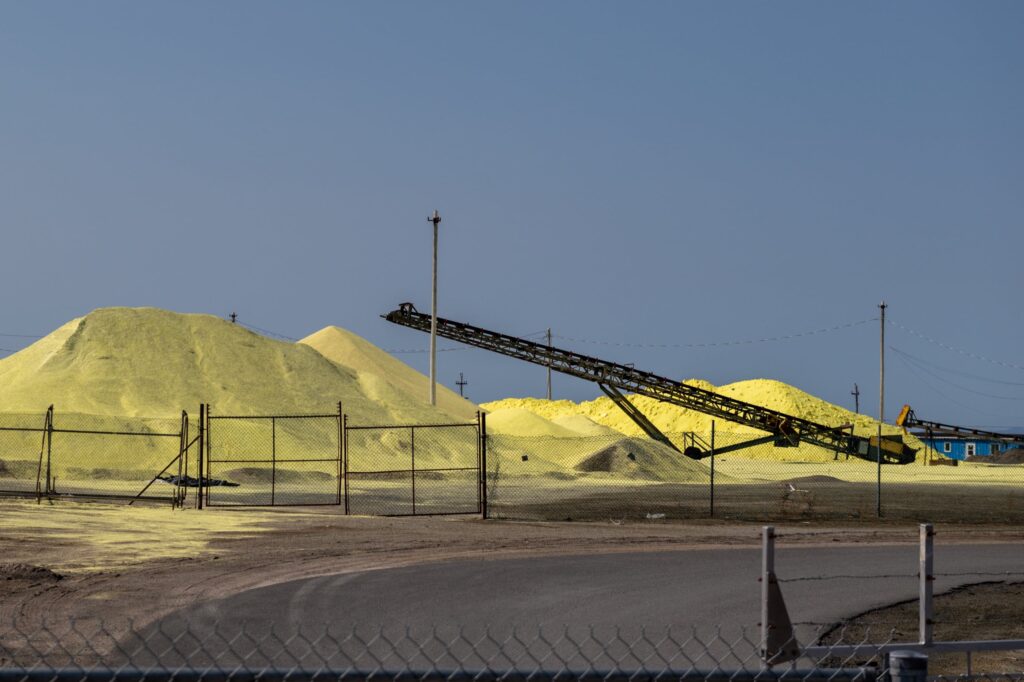
Sulphur is both an essential plant nutrient and a key input in fertilizer manufacturing. In Canada, sulphur is primarily recovered as a by-product of oil and gas processing. It is used directly as a fertilizer and plays an important role in producing phosphate fertilizers.