


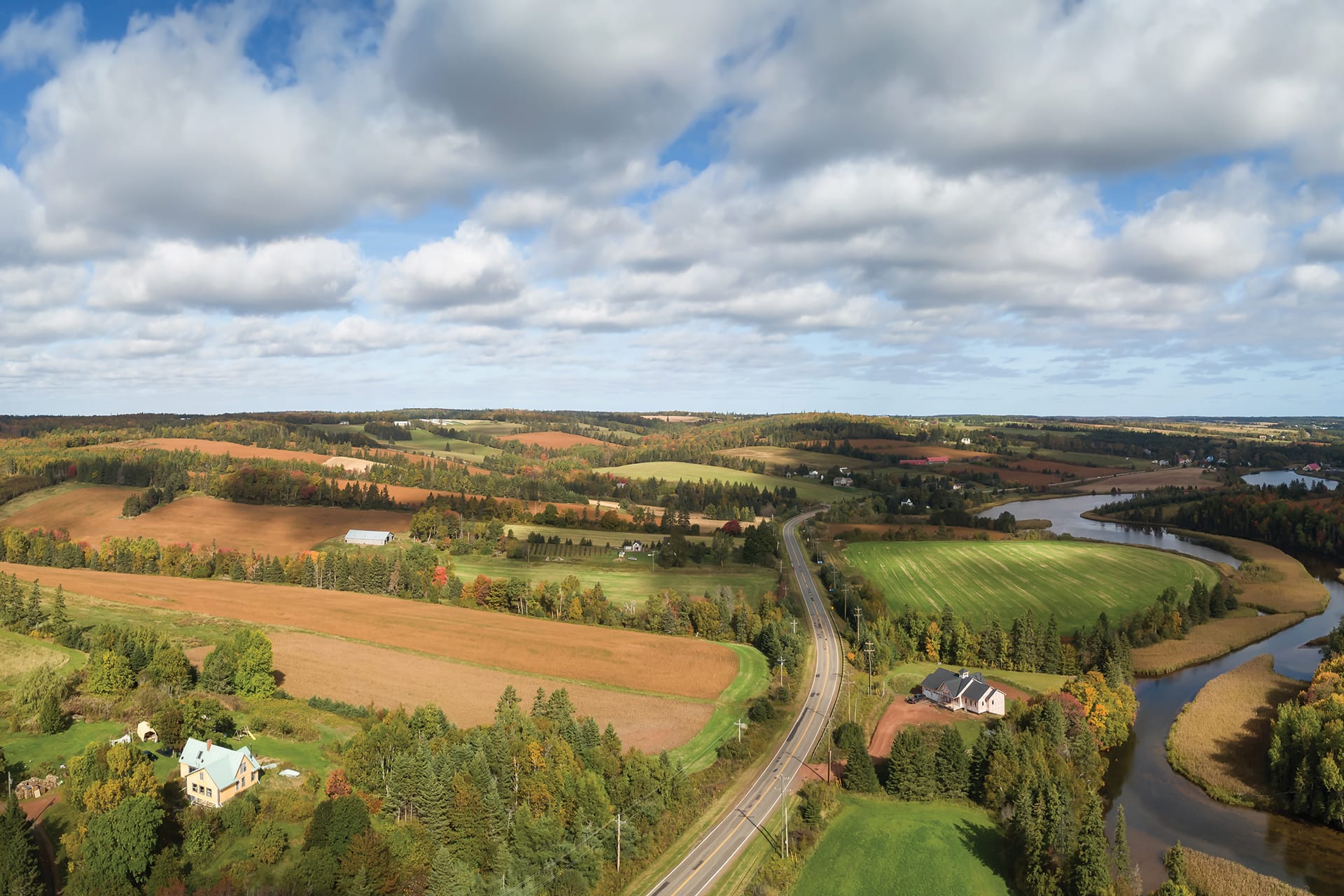
4Rs Across Canada
Tracking 4R adoption and advancing environmental protection.
4Rs for Every Region of Canada
Farmers across the country are practicing 4R Nutrient Stewardship, Right Source @ Right Rate, Right Time, Right Place. These practices help farmers make informed nutrient management decisions that support crop production, operational efficiency, and long-term farm success.
Fertilizer Use Survey
The Fertilizer Use Survey provides credible data that helps us understand nutrient management practices across the country. It offers valuable insight into the current state of 4R adoption in Canada and informs our efforts to support continuous improvement in agricultural sustainability. This research goes beyond numbers to capture farmer attitudes, motivations, and challenges.
Acre Counting
Each year, Fertilizer Canada reports the number of acres managed using 4R Nutrient Stewardship practices across Canada. Acre reporting recognizes growers for their commitment to responsible nutrient management while providing valuable data that supports industry programs, advocacy efforts, and long-term agricultural planning.
9,057,447 acres
were managed using 4R practices across Canada in 2024.
Provincial Partnerships
Fertilizer Canada works with governments, commodity groups, and industry partners across the country to support the adoption of 4R Nutrient Stewardship. These partnerships help provide farmers with tools, resources, and programs that support productive agriculture and strong rural economies.
Canadians understand the importance of sustainable environmental solutions. 4R Nutrient Stewardship (Right Source @ the Right Rate, Right Time, and Right Place®) was developed to help crop-producers minimize environmental concerns related to agriculture while maximizing economic benefits.
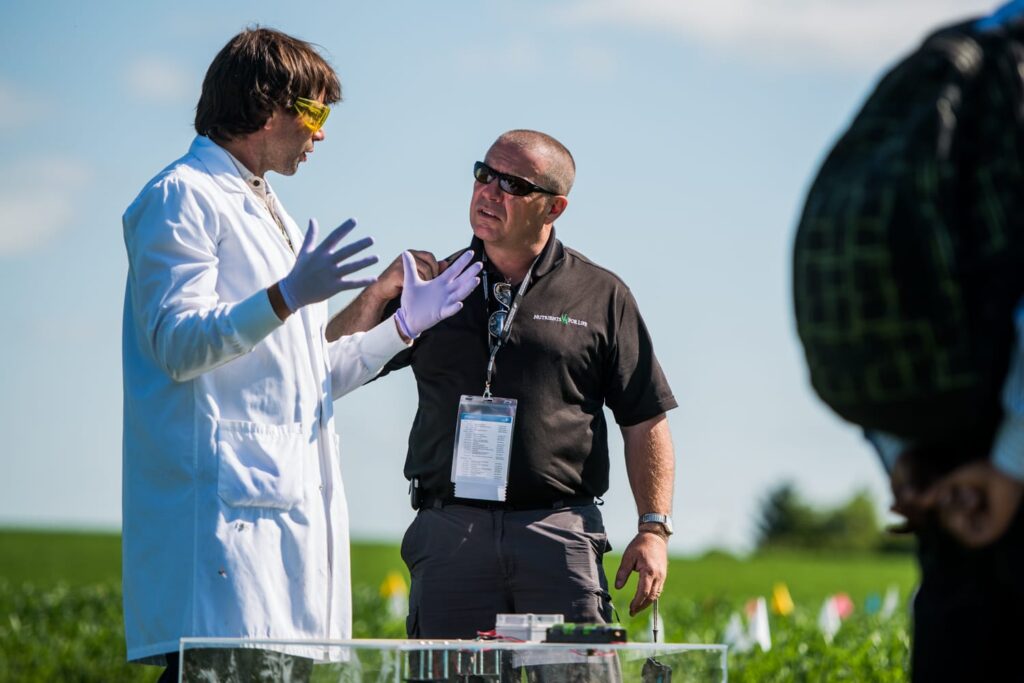
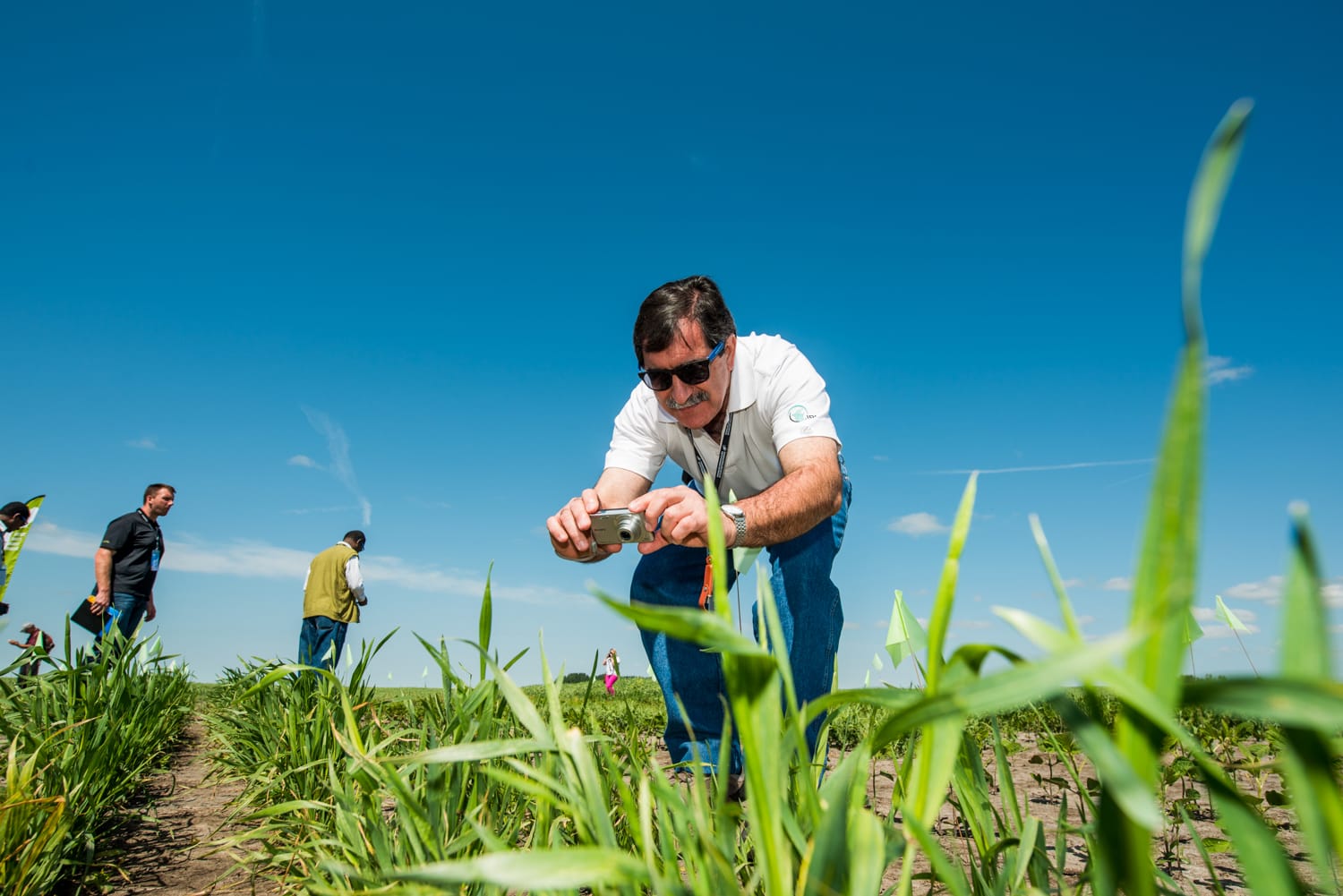
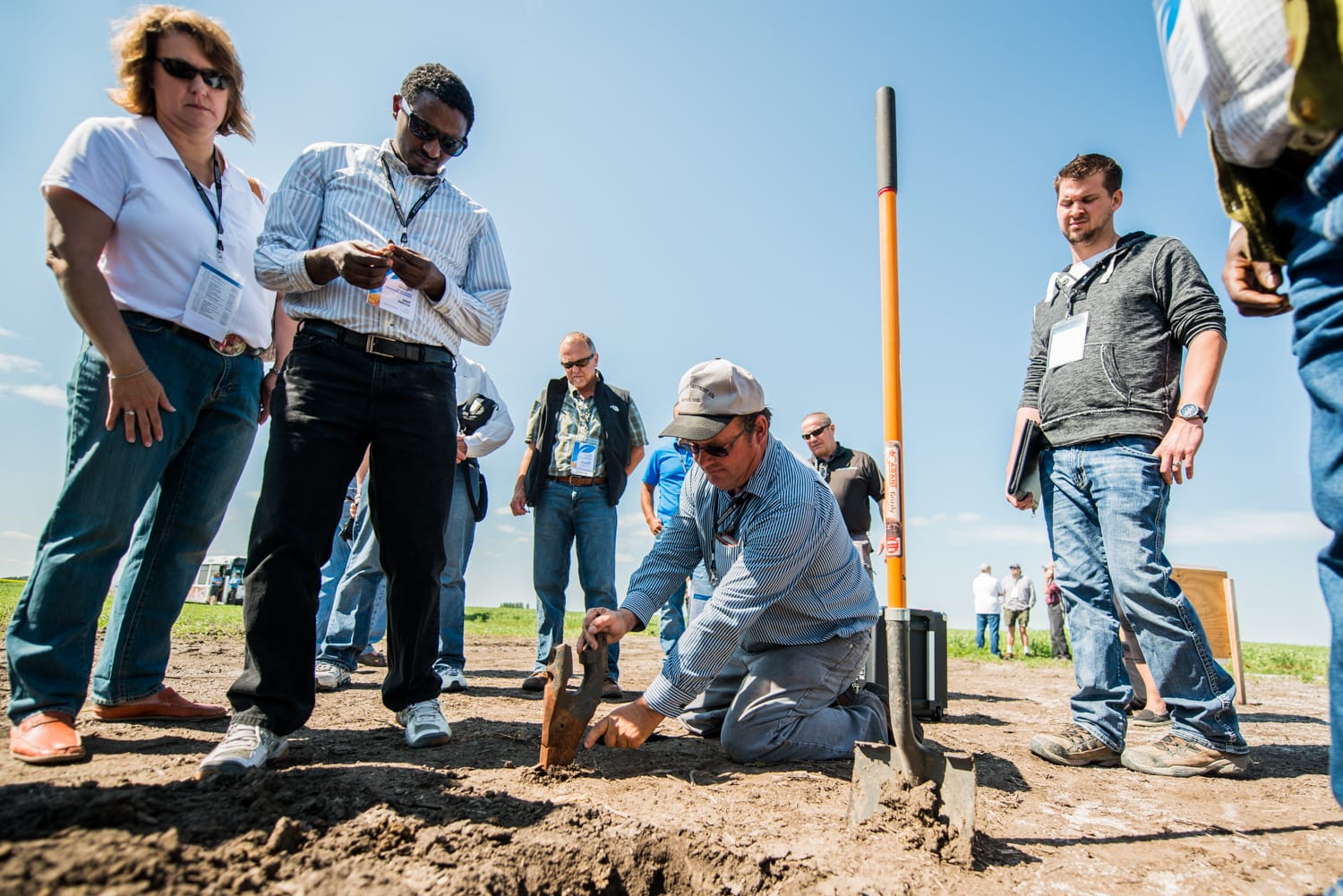
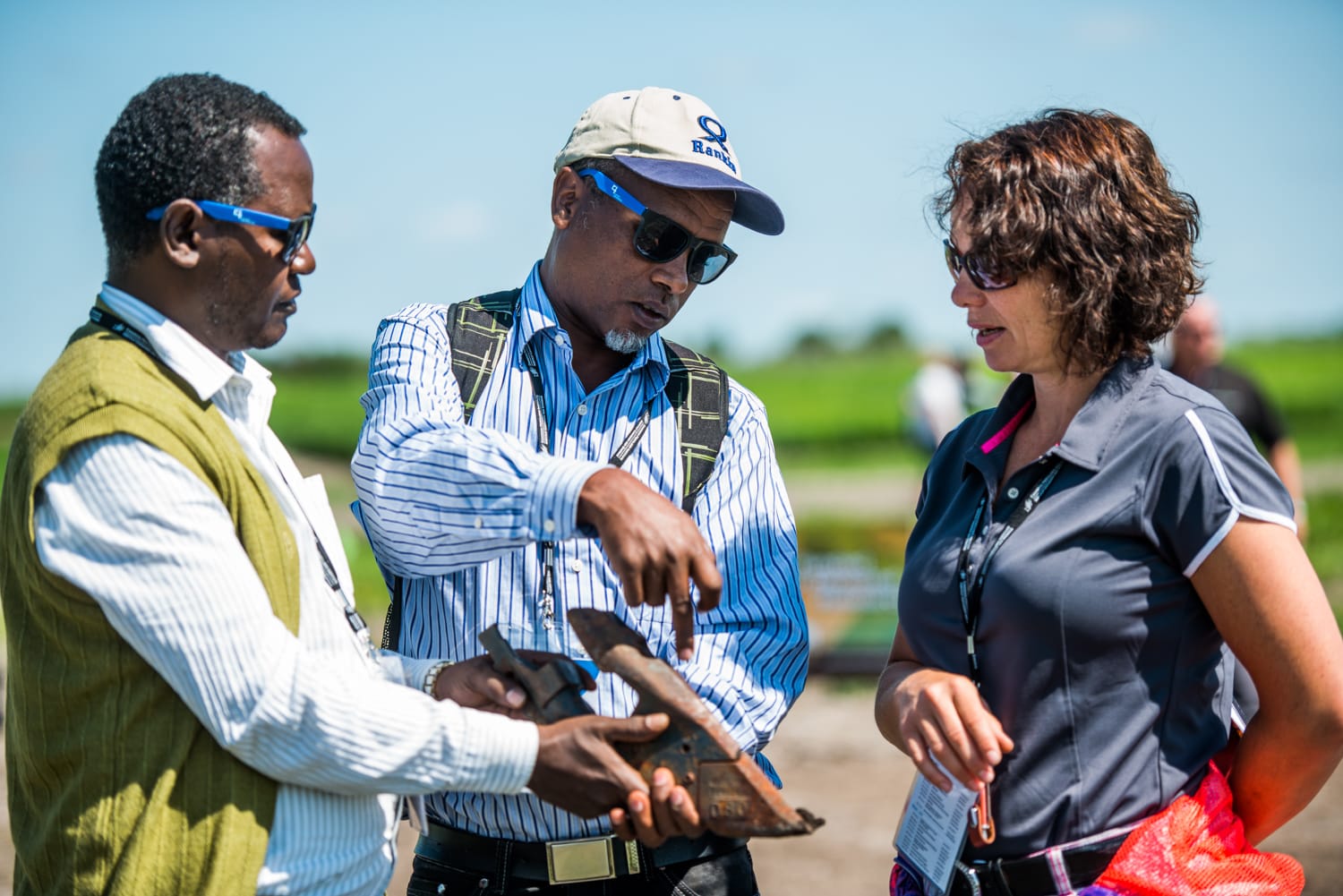
4R Nutrient Stewardship has been promoted and applied across Canada under Agriculture and Agri-Food Canada’s Agricultural Greenhouse Gases Program and the AgriInnovation Program (Growing Forward 2). A number of environmental concerns related to agriculture are evident across Canada, including: excessive phosphorous loadings, nitrate levels in drinking water, soil conservation, salinity, and soil and air quality concerns. 4R Nutrient Stewardship research provides crop producers with science-based information and advice on how to use best management practices to reduce emissions of greenhouse gases and address other environmental impacts when they apply fertilizer.
Alberta is a major contributor to Canada’s agriculture industry, which uses nitrogen fertilizer as a main source of plant nutrients. Nitrogen fertilizer is the leading driver of yield in modern high production systems, allowing farmers to sustainably feed the growing population.
In order to reduce the impacts of emissions from nitrogen, the Nitrous Oxide Emission Reduction Protocol (NERP) researchers work to meet international standards on improving nitrogen management in cropping systems and estimate the nitrous oxide reduction factors associated with more efficient nitrogen management. Farms implementing a 4R Nutrient Stewardship (Right Source @ the Right Rate, Right Time, and Right Place®) plan can incorporate NERP practices to deliver results to improve practices for environmental stewardship.
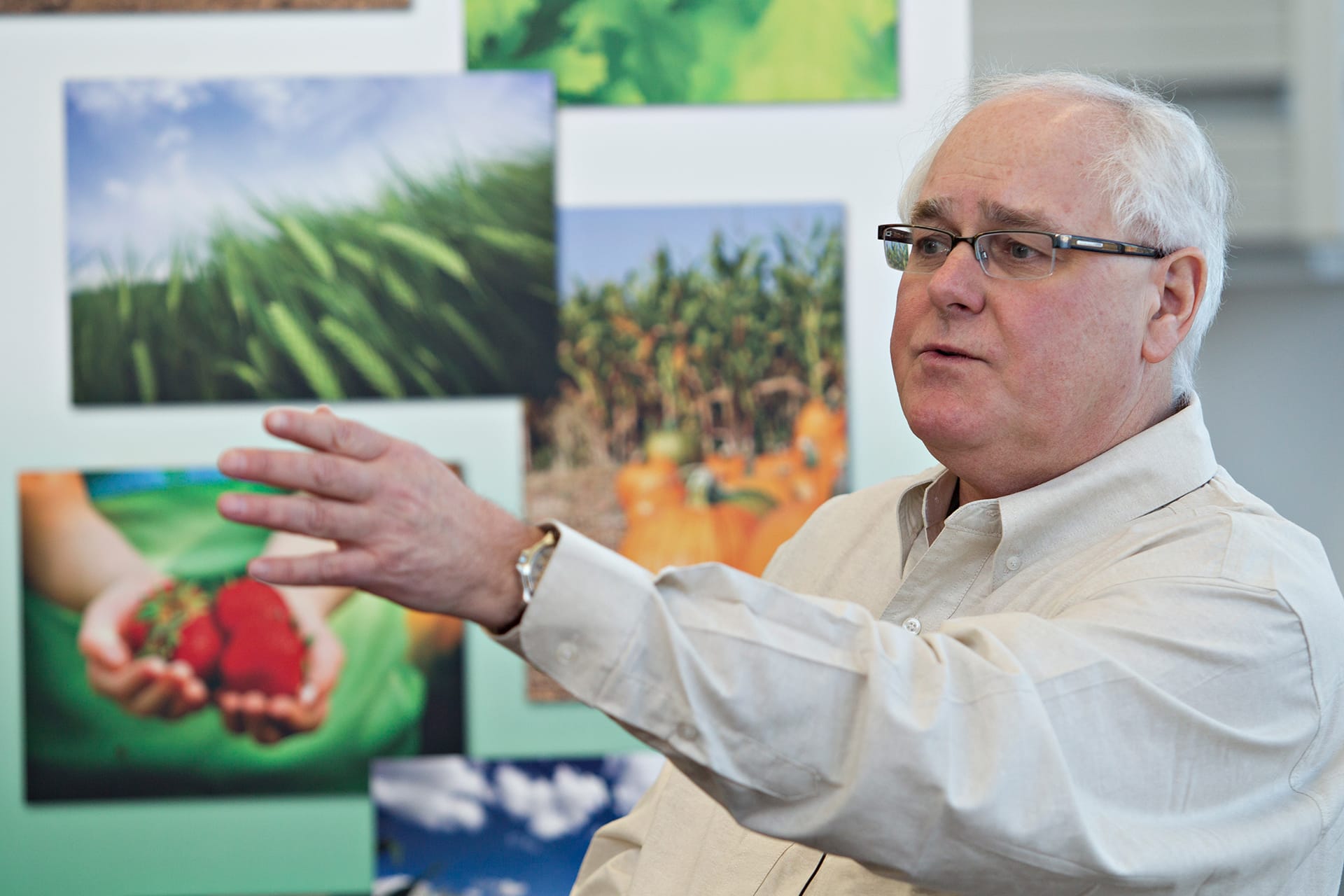
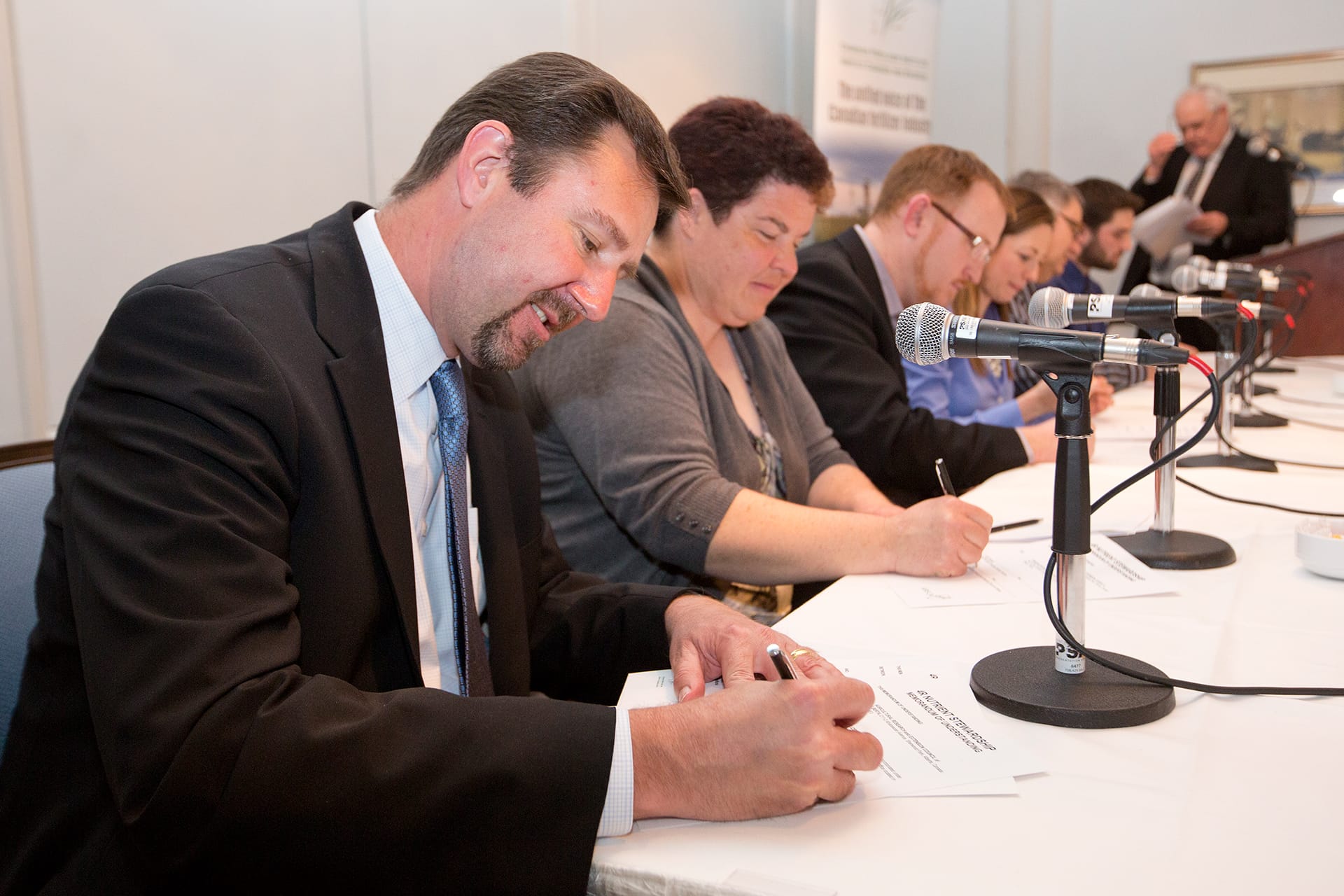
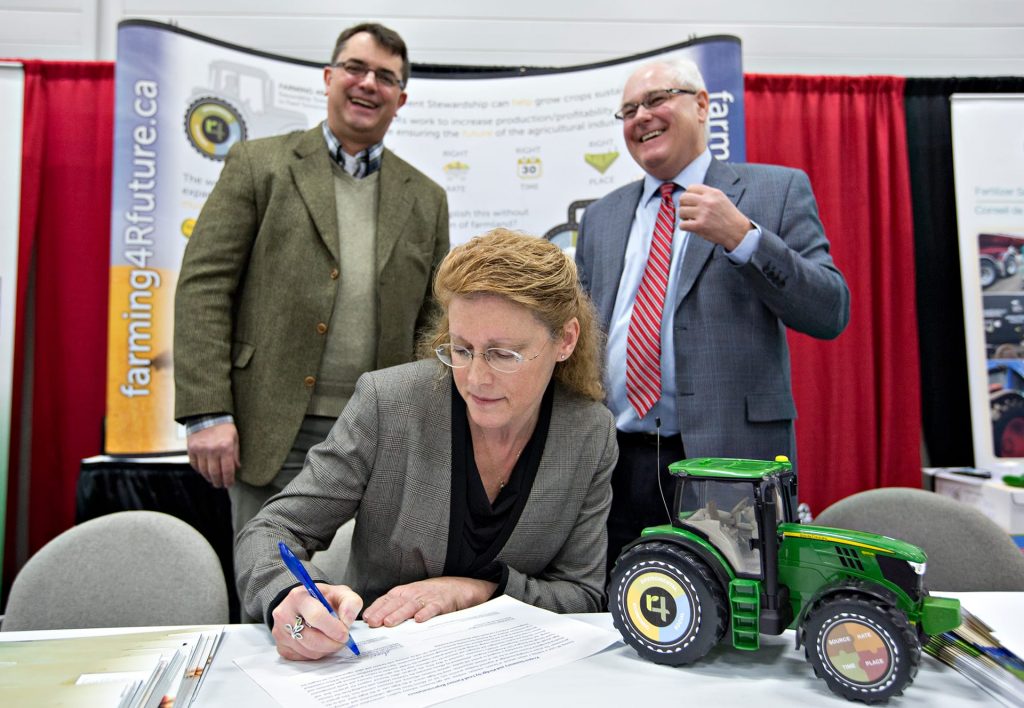
Fertilizer Canada also successfully completed five agreements from 2013 to 2014 regarding the adoption of 4R Nutrient Stewardship. In 2013, Fertilizer Canada and Lakeland College (Vermillion) partnered to incorporate the 4R Nutrient Stewardship into the college’s agricultural curriculum. Fertilizer Canada and the Agricultural Research Extension Council of Alberta (ARECA) incorporated 4R planning into their field research studies and as a component of the Alberta Environmental Farm Plan. Fertilizer Canada, Farmer’s Edge, and Capital Power Corporation also came together in 2014 to develop a program to generate offsets using NERP for use in the Alberta Offset System. Lastly, Phases I and II of our Alberta initiative were completed successfully. Phase II of the project supports implementation of NERP, enables farmers to qualify for carbon offsets, and received $252,000 in funding from The Climate Change and Emissions Management Corporation (CCEMC) to continue its progress.
Saskatchewan is home to more than 40% of Canada’s cropland, playing a significant part in making a tangible contribution toward sustainable farming in Canada. As one of the nation’s top agricultural provinces, Saskatchewan remains committed to fostering responsible nutrient management practices that enhance crop productivity while protecting the environment.
Fertilizer Canada and the Government of Saskatchewan are renewing their commitment to 4R Nutrient Stewardship with the signing of an updated Memorandum of Cooperation (MOC) extending until 2028. This renewal builds on the progress made since the original MOC was signed in 2016, reinforcing Saskatchewan’s dedication to science-based fertilizer management through the 4R Nutrient Stewardship framework (Right Source @ Right Rate, Right Time, Right Place).
Healthy soil means healthy crops, and that’s part of the reason Saskatchewan enjoys a reputation as a major global producer of quality agri-food products,” Minister of Agriculture Daryl Harrison said. “The 4R approach is fundamental to a responsible, sustainable agriculture industry driven by producers who set the bar for best practices, and we’re very pleased to continue working with Fertilizer Canada to enhance 4R Nutrient Stewardship in our province.”
The partnership strengthens environmental stewardship by supporting farmers in adopting science-based fertilizer application practices through the 4R Nutrient Stewardship. By extending this agreement until 2028, Saskatchewan reaffirms its leadership in sustainable farming, promoting both agricultural productivity and environmental responsibility for future generations.
Nutrients are important inputs for crop production. Nutrient management planning helps optimize production at a reasonable cost and minimizes the risk of nutrient loss from agricultural lands. When certain nutrients, particularly phosphorus, enter surface water and eventually other water bodies, they stimulate the growth of algae and aquatic plants. Regular occurrence of visible algal blooms signals a high level of nutrients in the water.
Implementing the 4R Nutrient Stewardship (Right Source @ the Right Rate, Right Time, and Right Place®) in Manitoba is crucial to protecting farmland and waterways. Manitoba is taking steps to ensuring these sustainable practices are being implemented by actively engaging in surface water management practices and encouraging Manitoba farmers to come together to protect the environment while ensuring a growing economy.
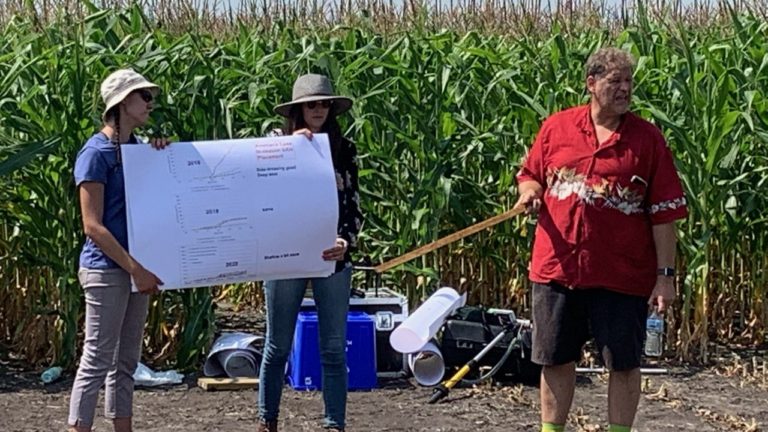
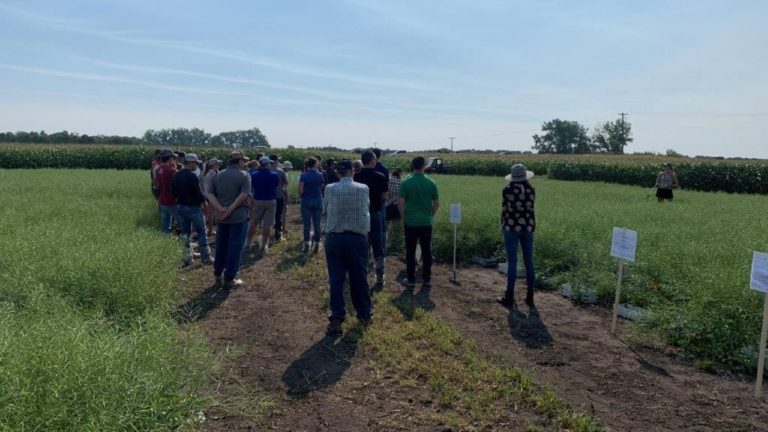
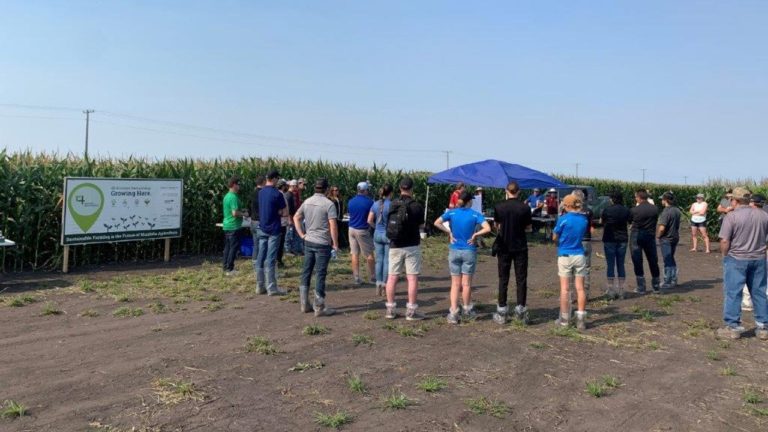
Fertilizer Canada works with the Manitoba Government and producers to promote sustainable use of nutrients for the benefit of producers and society in the province. Producers in Manitoba also work closely with many other commodity groups to promote sustainable crop production that maximizes nutrient use efficiency and limits potential nutrient losses.
Managing nutrients properly offers both economic and environmental benefits to producers and the rest of society. Efficient use of nutrients from commercial fertilizers, manure, or other sources reduces input costs for crop production and minimizes the risk of nutrient loss to ground and surface water as well as emissions of nitrous oxide to the atmosphere.
Manitoba 4R Stewardship Memorandum of Understanding
Fertilizer Canada recognizes how valuable water is to communities and that sustainable, environmentally-conscious practices need to be adopted to protect this irreplaceable resource. To accomplish this goal, Fertilizer Canada provided $150,000 over three years to help fund e-learning, workshops, interactive learning tools and establishment of 4R Farmer Advocates in Manitoba.
4R Nutrient Stewardship provides an understanding of how various crop nutrients behave in the landscape, how they are used by crops, and how to prevent their loss into the environment. Understanding which soils may pose a heightened risk of nutrient loss can assist agricultural producers in managing nutrients more efficiently and in protecting the environment. Adjustments in the crop nutrient source and application rate, timing, and placement method may greatly reduce the risk of nutrient losses.
Ontario represents a portion of the Canada’s most viable and productive farmland. Ontario has been a leader in nutrient management planning for crop production. The province has embraced 4R Nutrient Stewardship (Right Source @ the Right Rate, Right Time, and Right Place®) as a valuable tool for meeting the province’s agricultural and environmental goals. 4R Nutrient Stewardship is a recognized part of the Ontario Government’s strategy to reduce nutrient runoff.
4R Nutrient Stewardship Certification
Partnership
In 2015, a Memorandum of Cooperation (MOC) was signed between Fertilizer Canada, the Government of Ontario’s Ministry of Food Agriculture and Rural Affairs, and the Ontario Agri Business Association. This formalized a commitment to sustainable agriculture and environmental action in the province. The Ontario MOC mandates to implement, maintain and evaluate 4R Nutrient Stewardship programming to meet the needs of the government, farm groups, industry, and conservation groups. With a common commitment to improve the long-term quality of Lake Erie and the Great Lakes basin, the 4R Ontario Steering Committee is developing and implementing a 4R Nutrient Stewardship Certification program for Ontario agri-retailers.
4R Certification
The voluntary 4R Nutrient Stewardship Certification Program encourages agricultural retailers, service providers and other certified professionals to adopt proven best practices through the 4Rs, which refers to using the Right Source of nutrients at the Right Rate and Right Time in the Right Place.
In 2016, the 4R Ontario Certification Pilot Project was launched to evaluate the validity, suitability and accountability of the Ohio 4R Certification model for implementation in the Ontario marketplace. Pilot audits were conducted by the lead auditor from the 4R Ohio program. With feedback from the 4R Ontario Certification Pilot Project, the 4R Ontario Steering Committee developed and approved a list of requirements that form the proposed Ontario 4R Certification Standards.Visit our 4R Certification toolkit to find out more about becoming 4R Certified.
4R Nutrient Stewardship: Implementation in Ontario
4R Nutrient Stewardship offers agri-retailers in Ontario credibility and provides a strategic opportunity for farmers to help meet provincial objectives to improve the water quality of the Great Lakes and contributing watersheds while increasing agricultural productivity. Findings suggest significant benefits when compared to traditional practices. This will continue to ensure the effective protection and conservation Ontario’s agricultural soils, water quality, and ecosystem health as they relate to nutrients. Because every farm is different, the implementation of 4R Nutrient Stewardship practices are being adapted to Ontario’s agricultural production and unique conditions in order to maximize these results.
The province of Quebec represents a significant opportunity to advance sustainable agriculture in Canada. With over 28,000 farms, the Quebec agri-food sector accounts for one out of eight jobs and contributes significantly to the provincial economy.
A Memorandum of Cooperation (MOC) agreement between Fertilizer Canada and the Réseau Végétal Québec (RVQ) enables the implementation of 4R Nutrient Stewardship (Right Source @ Right Rate, Right Time, Right Place®) in the province, which helps Quebec growers maximize crop yields with minimal environmental impact.
4R Nutrient Stewardship is an internationally recognized best management practice system with four key pillars for fertilizer application: Right Source @ Right Rate, Right Time, Right Place®. This science-based approach helps growers understand how efficient fertilizer application improves profitability while reducing nutrient losses to the environment.
The MOC between Fertilizer Canada and RVQ focuses on implementation of 4R Designation in Québec with the support of 4R trained consulting services to help growers complete 4R Nutrient Stewardship Management Plans and provide 4R consistent technical advice. Fertilizer Canada works closely with RVQ to ensure resources are accessible for the province’s agri-retailers and growers to easily adopt 4R Nutrient Stewardship best practices into their business operations.
This partnership with RVQ helps to contribute to Fertilizer Canada’s goal of capturing acres under 4R Nutrient Stewardship. The adoption of the 4Rs in Quebec help growers increase profitability and practice sustainable agriculture. The 4R framework is a significant contribution to meeting the targets in the government’s recently launched 2018-25 politique bioalimentaire.
Managing crop nutrients properly with the use of the 4R Nutrient Stewardship (Right Source @ the Right Rate, Right Time, and Right Place®) offers both economic and environmental benefits to producers and to society. The efficient use of nutrients for crop production and minimizes the risk of nutrient losses to ground and surface water sources.
The agriculture industry recognizes the need to implement nutrient management plans for farmland. The province recognizes this need under its Livestock Operations Act as well as its Clean Water Act. Watershed groups, such as the Kennebecasis Watershed Restoration Committee, recognize the important role that agriculture holds in the local economy and culture, and gladly work with the agricultural community on the common goal of maintaining and improving water quality and access.
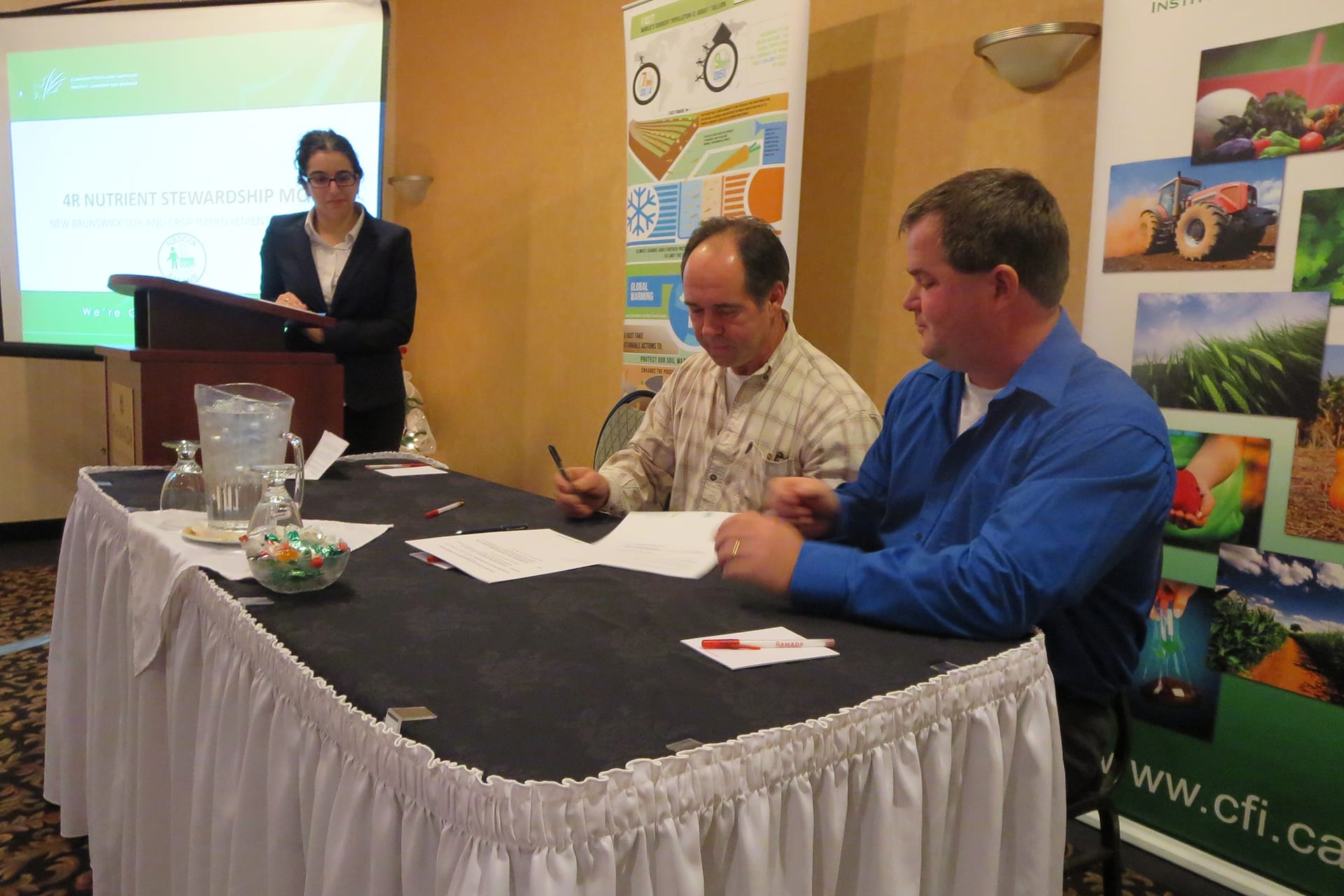
The New Brunswick Soil + Crop Improvement Association focuses on enhancing soil and crop sustainability. Their mission is to stimulate innovation, research, and leadership for the advancement of the agricultural industry in New Brunswick.
Fertilizer Canada recognizes the importance of reducing the potential for nutrient losses and therefore partnered with New Brunswick farmers to create five 4R Demonstration Farms. These farms are applying 4R Nutrient Stewardship best management practices to advance their nutrient management and successfully achieve the goal of economic and environmental performance improvements and increasing sustainability in New Brunswick farming communities.
The PEI 4R Designation standards were developed by a Designation Working Group and Steering Committee to create a set of standards representative of PEI agriculture, landscape and nutrient loss pathways of concern. The standards are reflective of the best available science, technology and regulatory requirements for PEI conditions. The goal of the program in PEI to is to:
- optimize crop nutrient availability and uptake to improve crop production and soil health;
- create long-term positive impacts on water bodies associated with agricultural production areas, including the reduction of nutrient loss to ground and surface water sources to help meet water quality standards;
- encourage sharing on the most up-to-date information for ways to reduce on-farm greenhouse gas emissions; and
- help the agricultural sector adapt to new research and technology in the area of nutrient stewardship
PEI receives 100 percent of its drinking water from groundwater, making it unique compared to other regions. An important component in protecting PEI’s drinking water source is sustainable nutrient management planning. Managing crop nutrients properly offers both economic and environmental benefits to producers and to the rest of society. The efficient use of nutrients from commercial fertilizers, manure, or other sources reduces input costs for crop production and minimizes the risk of nutrient losses to ground and surface water sources. The industry recognizes the potential for regulations, the importance of environmental stewardship and its role in ensuring the proper use of fertilizer.

The Kensington North Watersheds Association works with farmers and landowners on watershed issues. The proper use of fertilizer is imperative for clean water in watersheds with a large percentage of land use in field crop agriculture. Kensington North Watersheds Association is one of 24 active watershed groups on PEI.
4R Nutrient Stewardship (Right Source @ Right Rate, Right Time, Right Place®) provides an understanding of how various crop nutrients behave in the landscape, how they are utilized by crops and how to prevent their loss into the environment. Understanding which soils pose a risk of nutrient loss can assist agricultural producers in managing nutrients more efficiently and in protecting the environment. Adjustments in the crop nutrient source and application rate, timing, and placement method may greatly reduce the risk of nutrient losses.
The good news is many PEI farmers have been embracing 4R Nutrient Stewardship over the last few years resulting in increasing yields, combined with minimal impacts on the environment and environmental concerns. The evidence supporting 4R Nutrient Stewardship is still growing, the 4R plot tour series and demonstration findings suggest significant benefits when compared to traditional practices.
Follow these steps to become 4R Designated in PEI
1. Education
Getting started is simple. Fertilizer Canada’s 4R Nutrient Stewardship three-part training takes an in-depth look at sustainable fertilizer principles, which earns a Certified Crop Advisers 5.5 continuing education credits.
2. 4R Attestation
Submit the 4R Nutrient Stewardship attestation form to 4rdesignated@fertilizercanada.ca.
3. Speaking to Your Grower Customer
Use the following resources to assist your growers in implementing 4R Nutrient Stewardship on their farms.
4. Get Your Acres Counted
Counting acres under the 4R Nutrient Stewardship framework is the best way to demonstrate to customers and stakeholders what our industry is doing to be forward-thinking on sustainable agriculture.