


Fertilizer Supply Chains
Feeding Canada’s Crops: The Fertilizer Supply Chain
Overview
Canada’s fertilizer supply chain delivers when timing matters most. Farmers have a short application window to apply fertilizer. In 2024–25, over 10.3 million metric tonnes of fertilizer was shipped across Canada. Coordinating that volume to ensure farmers have fertilizer when they need it requires significant logistics and efficiency.
1. Import / Production
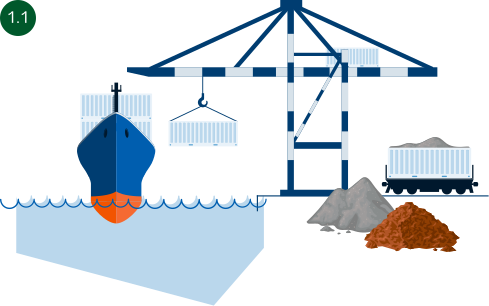
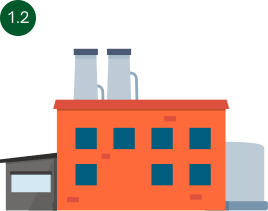
Fertilizer is (1.1) imported or (1.2) produced domestically.
2. Transport
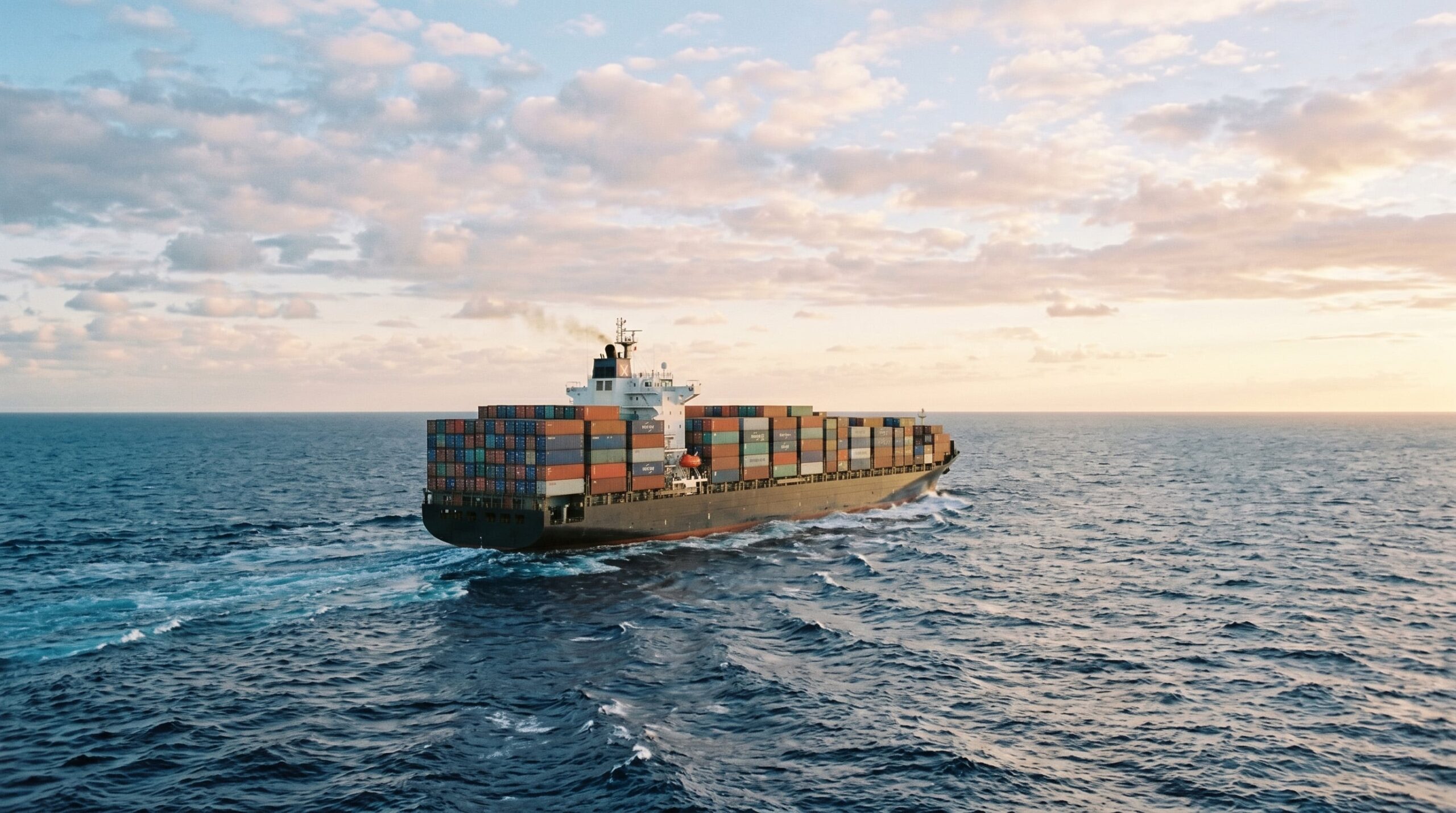
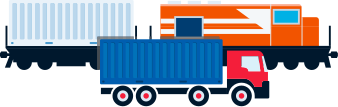
Fertilizer is moved by ship, rail or truck in bulk to a distribution, agri-retail facility, or directly to the farmer.
3. Distribution / Storage
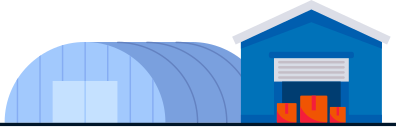
Agri-retail facility stores the product in large storage domes, sheds or bins until shipped or blended.
4. Blend
Facilities create unique fertilizer blends based on the direction of a professional agronomist’s recommendation following a nutrient management plan based on soil sampling specific to the farm, field and crop.
5. Load
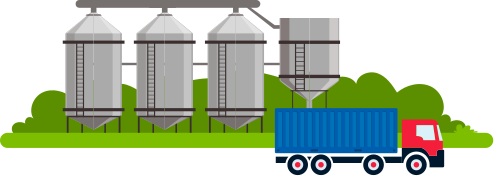
The blend is automatically loaded onto a truck.
6. Delivery
The product is delivered directly to the farm or picked up by the grower, often with existing documentation, such as bills of lading or blend sheets, that offer key traceability information.

6.1 Application
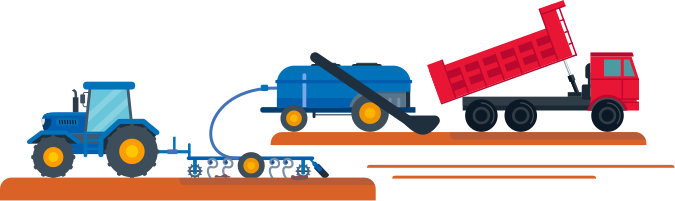
During spring and fall application, fertilizer is loaded into a spreader and applied by the farmer or agri-retailer.
6.2 Storage
During winter months fertilizer is stored in bin on the farm and agri-retail facilities.
Summary
As a bulk commodity, fertilizer requires complex logistics at scale. The industry relies on a coordinated and reliable supply chain, moving product by rail, truck, and marine shipping, to ensure fertilizer reaches farmers within the short window when it’s needed most.