


Fertilizer 101
Fertilizer is food for plants.
What is Fertilizer?
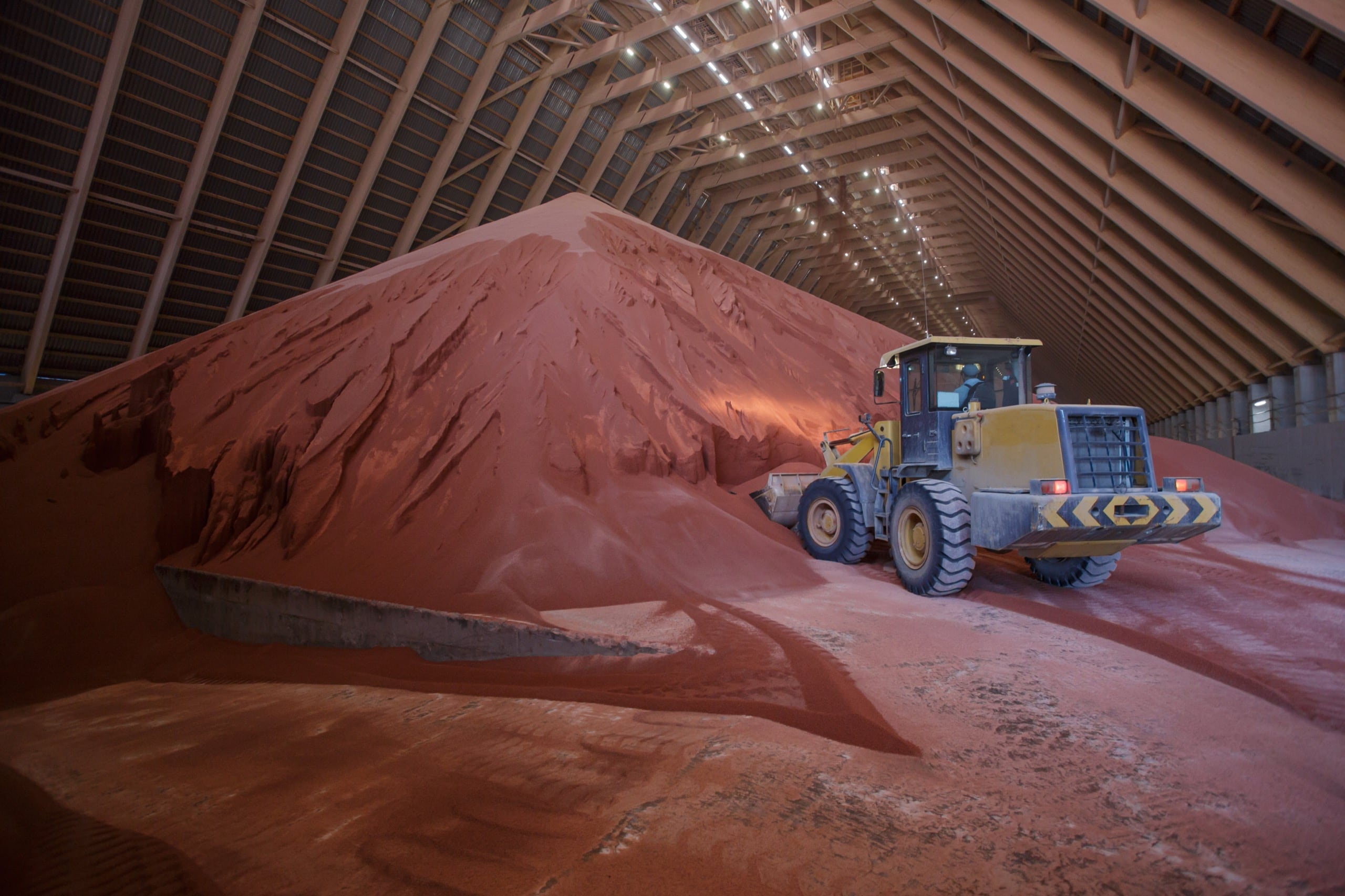
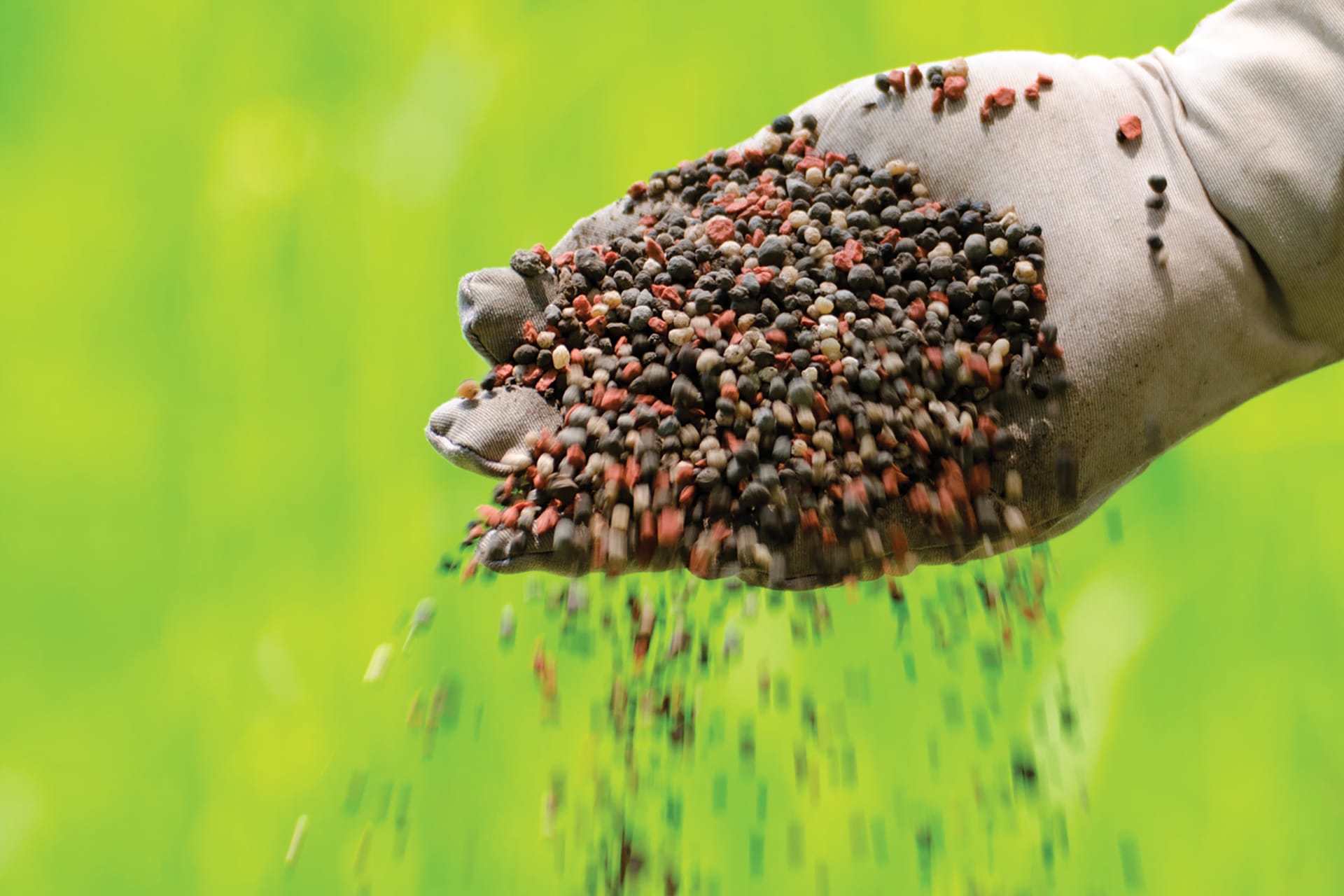
A fertilizer is a natural or synthetic substance that is applied to soil or plant tissues to supply one or more nutrients essential for the growth of plants. Fertilizers are used to enhance the fertility of the soil, increase crop yields, and improve the overall health and productivity of plants.

Why is Fertilizer Important?
Plants require 17 essential nutrients to grow, develop, and reproduce. These nutrients are taken up from the soil during every growing season. Fertilizers help replenish what is removed so that crops can continue to grow.
Fertilizer is responsible for approximately 50 per cent of the world’s food production, making it essential to global food security, and by extension, national security. It allows farmers to grow more food on less land, increasing crop yields, and supporting a stable, healthy food supply for all.
The Foundation of Food Security
Fertilizer has been essential to growing enough food to meet global demand. It was a vital part of the Green Revolution in the middle of the 20th century, supporting an increase to crop yields and saving billions from starvation. Fertilizer allows us to grow more food on less land, allowing us to continue to meet the demand of a growing population.

Types and How They Work
Like us, plants need food. Fertilizer is food for plants and provides the essential nutrients needed for growth. From nitrogen and potash to phosphorus and sulphur, fertilizers help replenish nutrients removed from the soil and play a critical role in supporting crop production and global food security.
How Fertilizer is Made
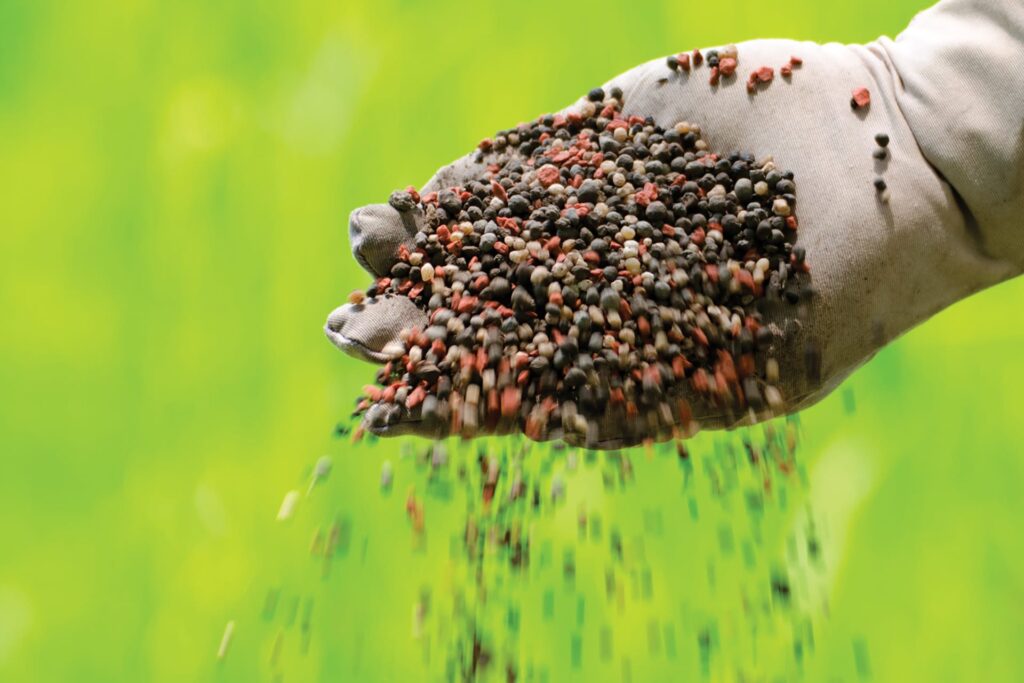
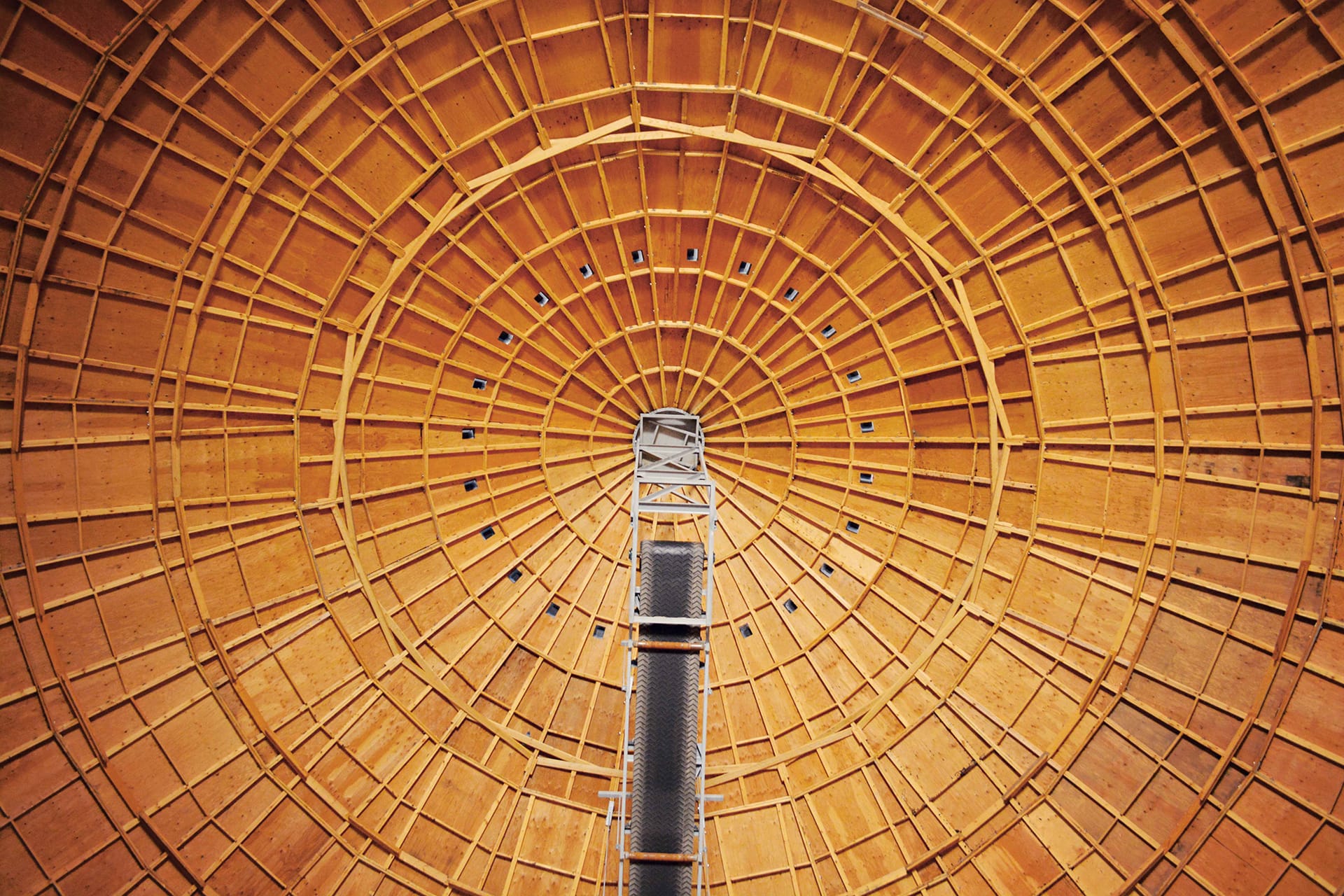
Fertilizers are produced from natural resources using a combination of industrial processes and mining. Nitrogen is manufactured from air and natural gas, while potash and phosphate are mined and processed into usable nutrients for crop production. These processes transform raw materials into essential nutrients that support plant growth.
Fertilizer Supply Chains
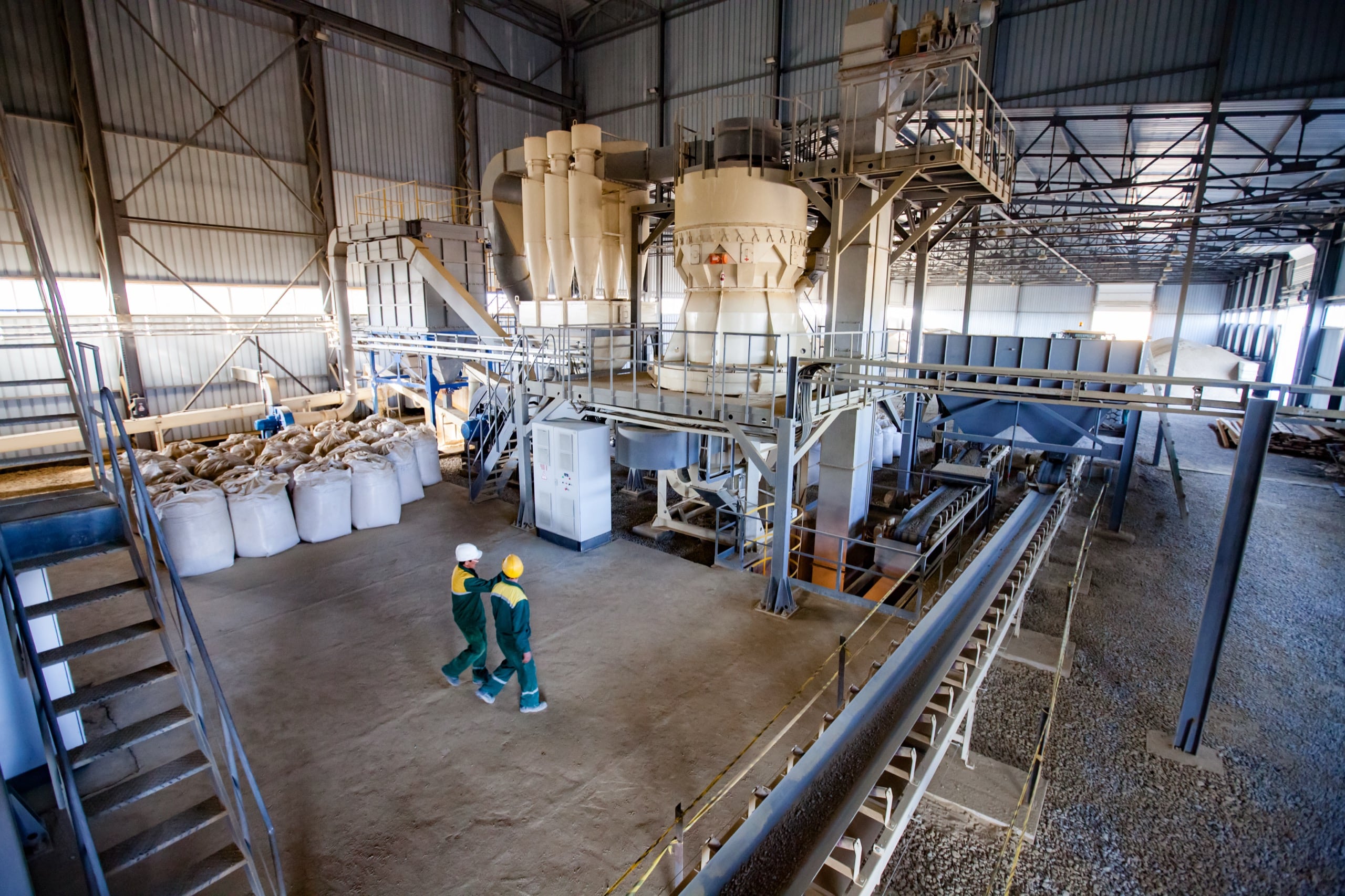
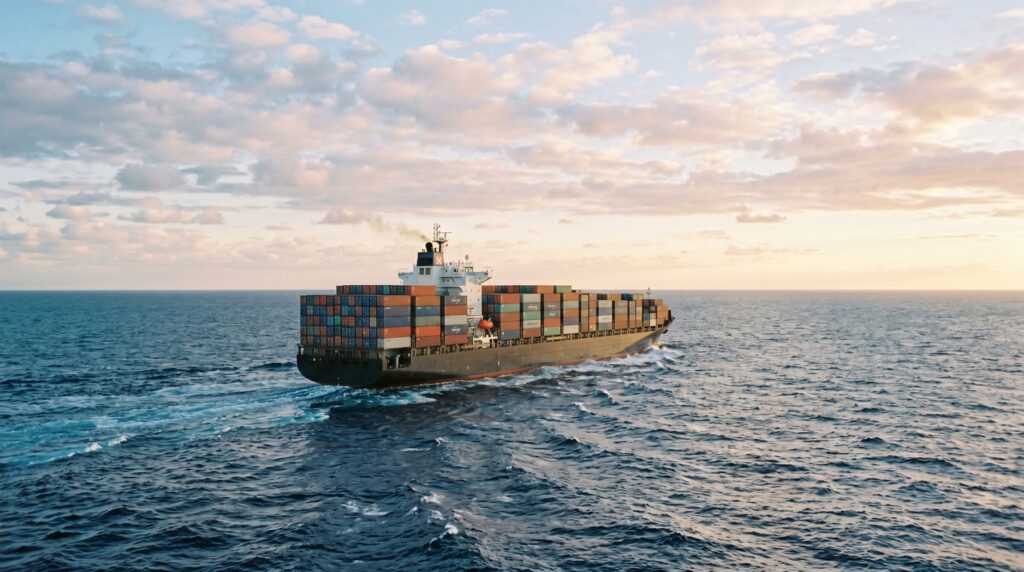
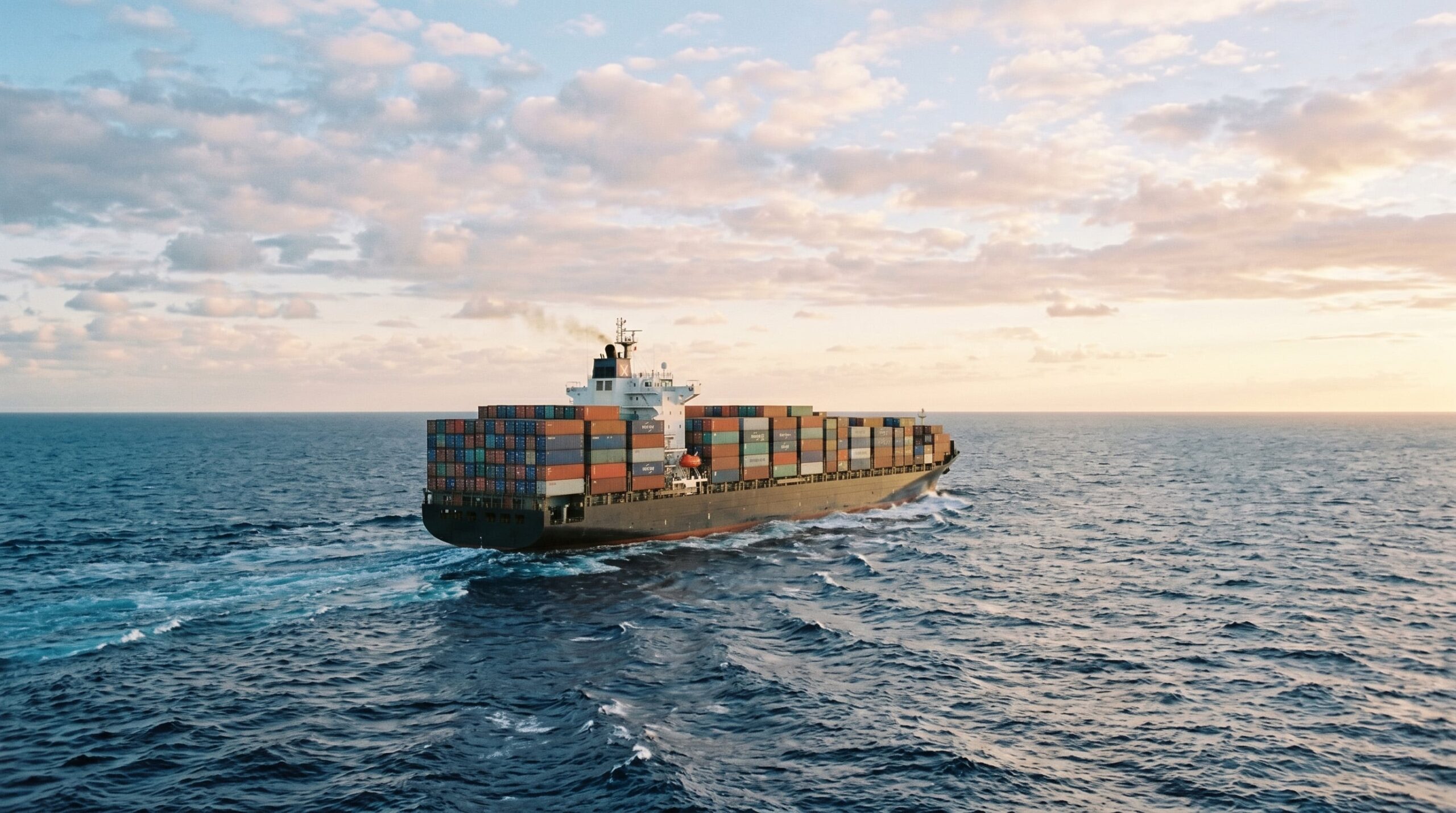
Fertilizer moves through a complex, highly coordinated supply chain to reach farmers when it’s needed most. From production and transportation to storage, blending, and delivery, each step plays a critical role in ensuring timely access to nutrients that support crop production.
Supply and Demand
Fertilizer is produced and traded globally, with availability shaped by a range of supply and demand factors. Production, trade flows, input availability, and agricultural conditions all play a role in determining how fertilizer moves through the market and reaches farmers.
Economic Impact
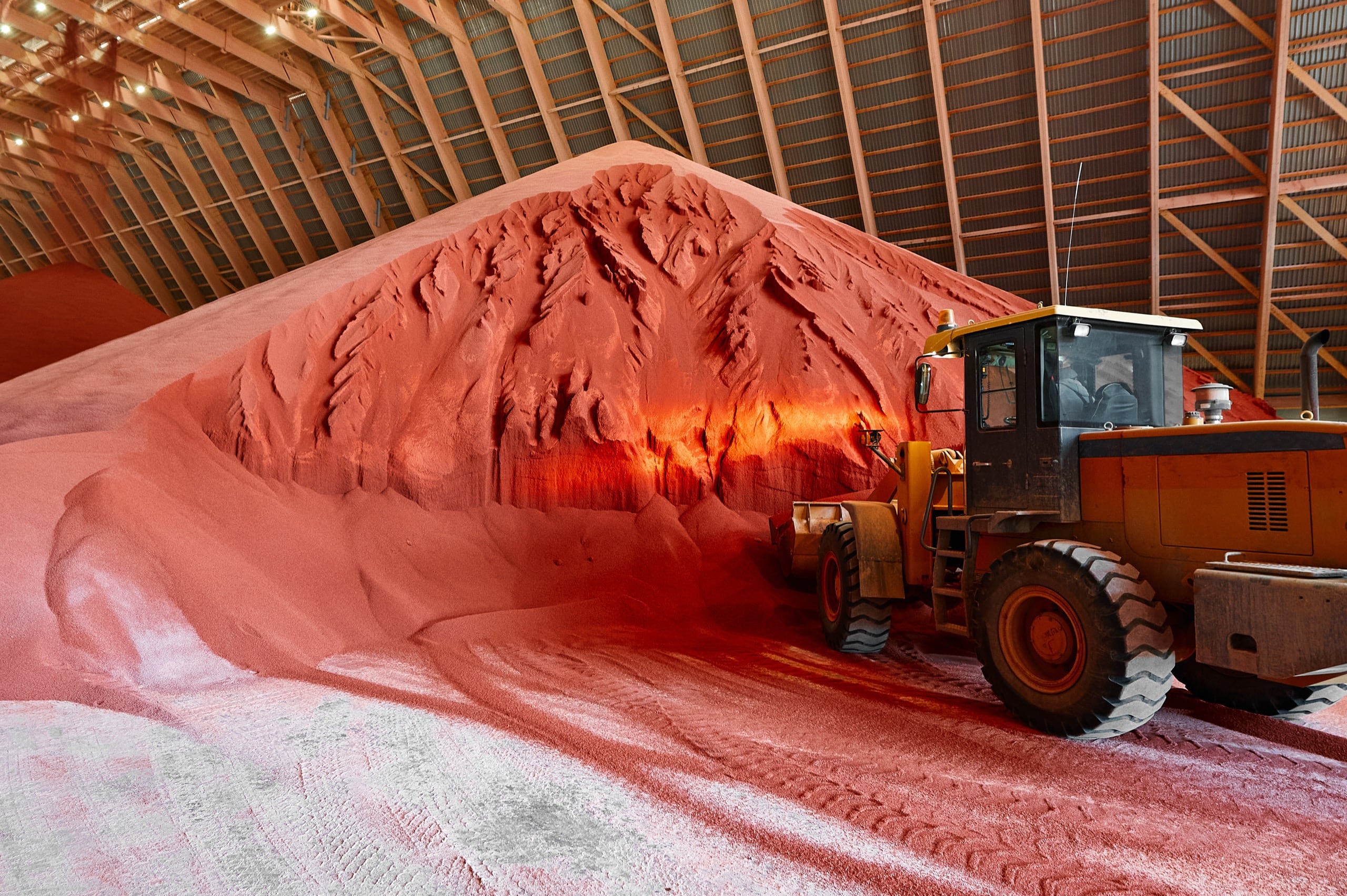
Canada’s fertilizer industry plays an important role in supporting economic growth, jobs, and trade across the country. From mining and production to transportation and agriculture, the industry contributes billions to Canada’s economy while helping support food production at home and around the world.

FAQ
Have questions about fertilizer? You’re not alone. Our FAQ section provides clear, science-based answers to common questions about fertilizer production, use, safety, sustainability, and its role in supporting Canadian agriculture and food production.
In this section
What is Fertilizer?
Fertilizers come in various forms to meet the needs of crops. Learn how different types of fertilizers improve soil fertility and boost crop yields.
Learn more
How Fertilizer is Made
Discover the intricate processes involved in manufacturing fertilizers, from mining natural resources to producing the final product used on farms.
Learn more
Fertilizer Supply Chains
The fertilizer industry operates at the intersection of agriculture, economics, and policy. Uncover the supply chains, stakeholders, and regulations that keep it moving.
Learn more
Supply and Demand
Fertilizer demand is driven by global crop needs, while supply chains ensure availability. Get insights into how this balance affects agriculture worldwide.
Learn more

Economic Impact
Fertilizers contribute significantly to the economy, supporting thousands of jobs and creating billions in economic activity. Explore the industry’s impact on Canada’s economy.
Learn more
FAQ
Have questions? Find answers to common inquiries about fertilizers, their use, and the industry at large.
Learn more